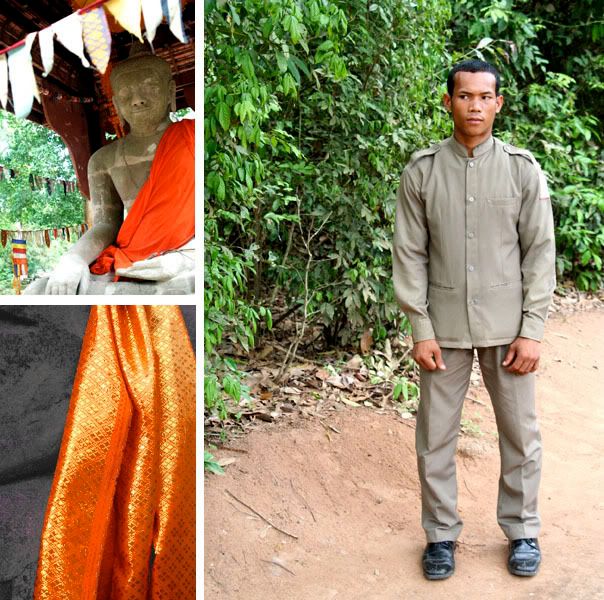
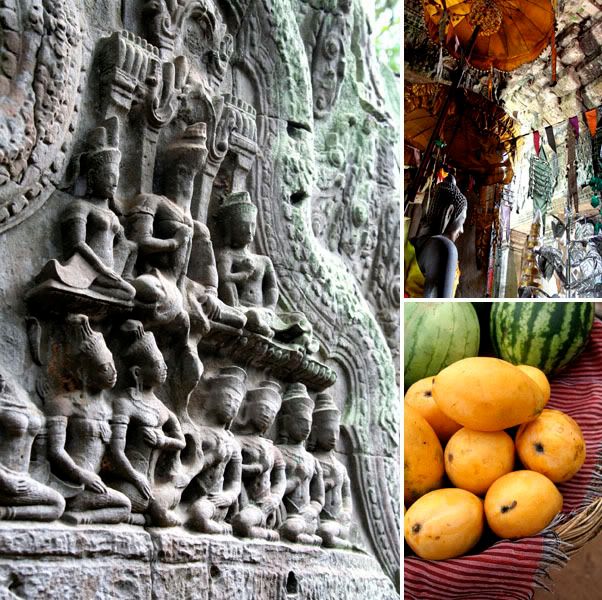
Showing posts with label Cambodia. Show all posts

Friday, September 04, 2009

National Park Umbrellas.

Ok, and it can't really be called a series-- I only have two photos-- but here's some fun images of umbrellas taken at national parks to close out this slightly odd week's photos. Maybe it's just the rainy patches we've been having in Cape Town that inspired me? Either way, hope this weekend is sunny-- for you, and for me.

Pictured above: Angkor Wat, Cambodia.
Pictured below: Machu Picchu, Peru.

Tuesday, September 01, 2009

National Park Signs.

Compared to the photographs of restrooms I showed yesterday, these photos of National Park signs make for perhaps a more normal series on the mundane side of travel and tourism. Sometimes I liked the signs for how they added a layer of visual meaning through which to interpret the site, like at the Grand Canyon; sometimes I liked the unusual iconography, like at the Bayon at Angkor; other times I was just struck by an odd phrase, like at the Valley of the Kings, or at Mlilwane Park in Swaziland.

Pictured (from top): ‘Grand Canyon Vista’ at Grand Canyon NP, Arizona, US; ‘No sitting on Balustrade’ at the Bayon at Angkor, Cambodia; ‘Look at the Glory of the Ancient’ at Valley of the Kings, Luxor, Egypt; ‘Fish Poaching is Stricly Prohibited/ Keep Away from Waters Edge, Crocodiles!’ at Mlilwane, Swaziland; ‘No Visitors Beyond this Point’ at Great Zimbabwe, Zimbabwe.

Tuesday, August 18, 2009

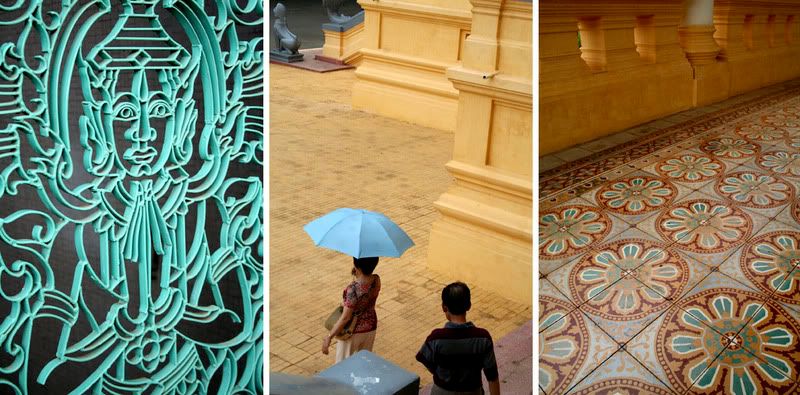
Colors of Phnom Penh: Green and White.

I have a complicated personal history with Phnom Penh. I have been taken sick on both of my visits to the Cambodian capital, so that some of my strongest memories of the city are of lying in bed in pain. And my first night there was spent feeling exhaustedly overwhelmed: by the traffic of motorbikes, the maimed beggars, and the clash of new development with destitute poverty. But in the end, it’s still one of the cities in Asia I think most longingly of. For somehow, despite its suffering history, its lingering ills, it’s a city where hope seems almost to be sprouting from the cracks in the pavement.

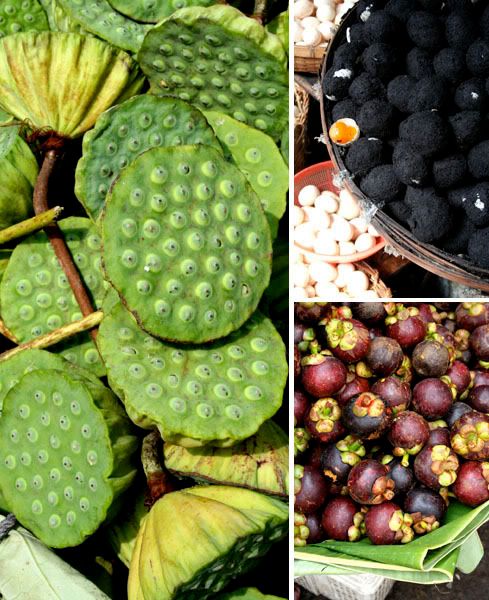
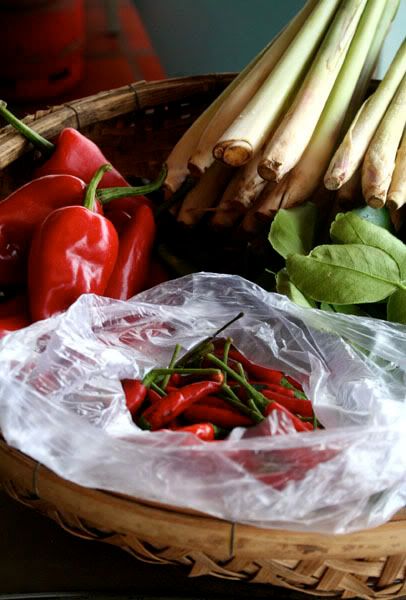
So maybe it’s fitting that the colours I associate with Phnom Penh are of green and white; of new growth an optimistic brightness. These colours flourished in the seasonal monsoons, succored in the cool shade of the city’s leafy sidewalk cafes, and gleamed in the verdant hues of its markets’ produce.

Thursday, January 01, 2009

Asia 2008.

I hope everyone had an incredible holiday-- around here, there were heaps of sweets baked, much time spent with my family, and numerous incredible meals enjoyed (both out and in). It's been fantastic and overwhelming, and only now is my mind starting to clear from all of it. And, it being New Year's Eve, the perfect time to look back over the past year as I start to plan the next.

Even though we squeezed in LA, northern New Mexico, and Puerto Vallarta in the last month, 2008 was really about one place-- Asia. We spent one half resident in Bangkok, one half living as itinerants, and en route visited some incredible places. Below are a few of the many locales we inhabited this past year that most deeply impressed me.

8. Trang Province, Thailand, October to November
It's hard for me not to look back at Trang with mixed feelings. The work I was doing was stressful, we had to spend an average of 4 to 5 hours a day on boats and buses getting around, we got trapped in several monsoonal showers (including once on a longtail boat-- not recommended) and I spent most of my time there feeling exhausted. But looking back at it from a comfortable distance (and in a drier locale), I'm able to appreciate what a spectacular chain of islands it is, and how lucky I am to have gotten to spend a week travelling among them. My favorites were was Ko Sukorn, with its pastoral rice fields and villages; Ko Libong, which had a subdued desert island appeal; and Ko Lao Liang, the isolated rock where we slept in tents, kayaked and snorkeled, and enjoyed fantastic seafood meals.

7. Mekong Delta, Vietnam, October
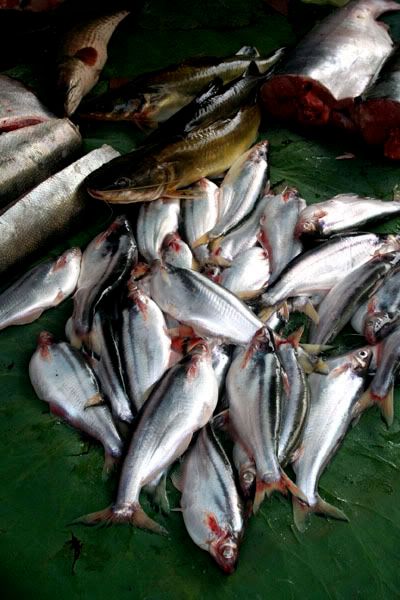
The year 2007 was centered around the Mekong, as Bordeaux and I traveled by slowboat, bus, and ferry along the route from Northern Thailand through Laos and Cambodia to Vietnam. We were missing one major part, however: the delta. So when work pointed us toward Phu Quoc island in southern Vietnam, I made sure we'd be getting to see the delta as well. The best night of our trip was in Ben Tre, where we sampled delicious Elephant Fish spring rolls, enjoyed a lazy afternoon drinking drip coffee, and cruised under palm-arches in a tiny canal. The glimpse I got of the rest of the area-- pastel colored houses, knotted waterways, and decadent Cao Dai temples, had me promising I'd return.

6. Kep, Cambodia, April
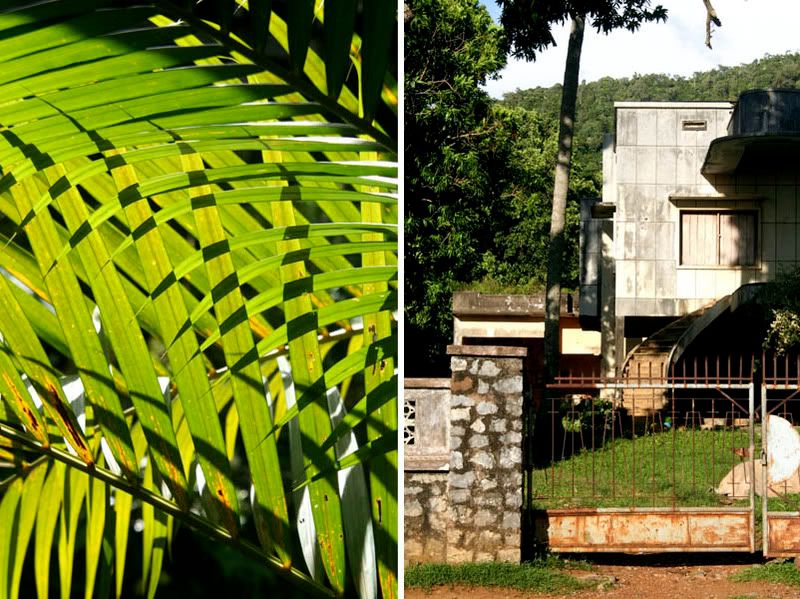
It came down to a choice between Kep and Sihanoukville, and I think we chose wisely. It wasn't the waves that drew us to this seaside Cambodian town, it was a meal-- pepper crab. Thankfully, the dish-- freshly caught crab covered in an oily curry powder sauce, exploding with the bite of green Kampot peppercorns-- justified the trip from Phnom Penh. The incredible atmosphere didn't hurt either-- we slept outdoors in a four-poster bed, that looked down from its balcony perch over lush tropical forest, ruined modernist villas, and the distant sea.

5. Central Vietnam, September
The cities of Hue, Danang, and Hoi An are often used to break up the long trip between Hanoi and Saigon, but the region is a deserving destination in its own right. It's certainly one of the best places to see traditional Vietnamese architecture-- like the ornate ruins of Hue's citadel, and the lanes of traders' houses in Hoi An. And while we didn't have too much luck with the regional cuisine, despite it being so widely touted, we did stumble across a few incredible dishes-- like grilled pork and starfruit wrapped in rice paper, avocado shakes, and crispy banh khoai pancakes.

4. Khao Sok, Thailand, May
I don't know if there are many places in the world that can compete with Khao Sok-- a tangled jungle inhabited by tapirs, sunbears, and tigers, stretched along a spine of limestone karsts. The highlight of our visit was a night on the emerald green Cheow Lan reservoir, a flooded forest where we slept on a floating bamboo hut. We were taken on guided boat trips to see otters and hornbills, but the real highlight was spending hours kayaking under the shade of the forest, as gibbons and langurs looked down at us with curiosity.

3. Penang, Malaysia, October
Penang was more necessity than vacation-- we had to do a visa run-- but it was without question one of my favorite places we visited in Asia. The city of Georgetown is gorgeous, the people were friendly, and the multicultural cuisine -- Indian banana leaf curries, Hainanese Chicken Rice, Nonya desserts-- was spectacular. Our visit came toward the end of our time in Asia, when we were starting to feel worn out, but in Penang I felt (temporarly) revived, with my curiosity renewed. Next time we return to Asia, Malaysia is at the top of my list for places to visit.


2. Hanoi, Vietnam, March
Bangkok will always have a place in my heart, but it's got serious competition from Hanoi. The city's sense of style is bipolar, with European avenues, Chinese temples, and Socialist monuments all battling it out, but it gives the city a unique energy and feel. We enjoyed some of the best coffee we'd had in all of Asia, and sampled some of the best street food-- like greasy binh my trung heaped with fresh cilantro. If I were to move back to Asia-- I'm sorry BKK-- it would likely be to Hanoi.

1. Taiwan, June to August
Was Taiwan my favorite place in Asia? Well, no-- but it was definitely the most surprising. I went there for work, for Bordeaux, and I went with low expectations-- which were quickly blown away. Taiwan has a gorgeous natural landscape of dramatic rocky shores, towering peaks (including the highest in East Asia), and verdant bamboo forests. It also has some of the most fascinating urban spaces I've visited in Asia, from the glamorous monuments of Taipei, to the intellectual museums and teashops of Taichung, to the hip nightmarkets of Kaoshuing. The food was incredible, and nearly every day involved sampling a new treat, like fiery gongbau chicken, peppery scallion pancakes, and creamy coffin bread. Really, I don't know why more people don't visit Taiwan-- but I'm sure I will again in the future.

Tuesday, June 03, 2008

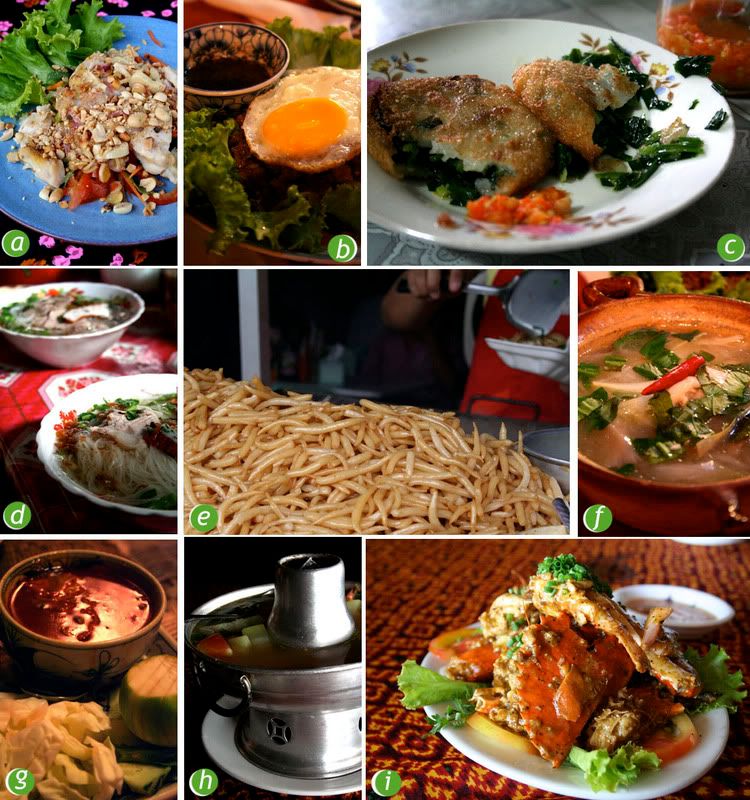
Khmer things I ate.

The awkwardness of this entry's title was intentional, as it was meant to evoke the haphazard nature of my food 'researches' on this trip to Cambodia. Though I had really looked forward to exploring the nuanced flavors of Khmer cooking, we traveled at such breakneck speed that there wasn't much time for culinary exploration. More often than not, meals had to be worked into the schedule, either between seeing the sights or after a long day of temple gazing. In the end, many of our meals were at tourist-oriented restaurants serving Khmer food. Even so, I did have some amazing meals and a few dishes that really made me consider making the move across the border. At the very least, my un-sated curiosity provides more than enough reason to return some day. So, I now end my series of post on Cambodia with a few of the dishes that I tried over this visit to Cambodia.
a. This dish really was one of the best things I ate in Cambodia- so good, I completely forgot to write down its name. It was notable for being one of the freshest, healthiest meals I had: a salad of white fish, peanuts, raw herbs, and lime juice.
b. Beef lok lak, a stir-fry of beef served over a salad of tomato and onions and topped with a fried egg. It was tasty, but greatly enhanced by the peppery sauce it was served with.
c. Very similar to some vegetable cakes I've had in Bangkok, these golden fried discs of fatty noodle were filled with dark green chives.
d. Though I originally thought it gave me food poisoning, the only fault of this tasty bowl of chicken pho was that it didn't stave off a wicked flu.
e. One of the simplest dishes I ate, Khmer noodles, tasted great with the addition of a little chili sauce.
f. How traditional was this samlor? I couldn't tell- I knew only that it tasted like a cousin to Thailand's tom yum.
g. One of the most interesting dishes I had was a small bowl of prahok, a fermented curry paste. Eaten off the edge of crisp lettuce and bitter eggplant, it had a deep, salty flavour.
h. Sitting by a seaside window, getting splashed by the waves, I sampled this tasty vietnamese soup. Though partly sour, it was given a nice sweetness thanks to chunks of golden pineapple.
i. The last dish, a plate of yellow curry crab with fresh green pepper, was so delicious that I intend to devote a full entry to it sometime in the near future.

Monday, June 02, 2008

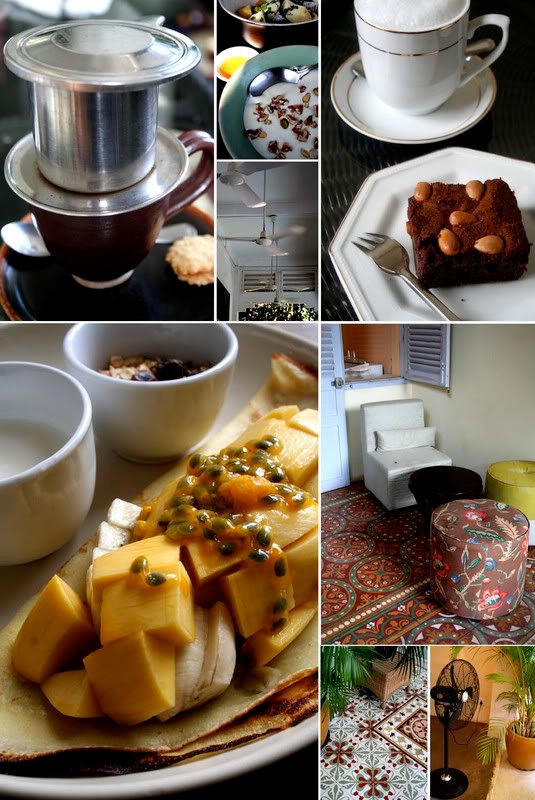
Cafes of Phnom Penh.

One of the worst things about only having a few days in Phnom Penh was that there was not nearly enough time to get to all of the cafes and coffeeshops that we wanted to. When Bordeaux and I first visited Phnom Penh, we had been traveling for the two months previous, and we were thrilled to be able to recharge in so many different wonderful cafes. But more than just relief from homesickness, Phnom Penh's elegant cafes offer delicious baked goods, well executed meals, and, most importantly, excellent coffee. On this visit, we nostalgically visited a few we'd made it to last time. We had breakfast at Java, a second floor art gallery/cafe that makes strong Vietnamese drip coffee and serves an excellent bowl of muesli, yogurt, and locally sourced honey. We made it back to The Shop, a bakery and deli where I tried the decadent crepe with mango, banana, and passion fruit. We also made time to try a new place, Chocolate, where we paired a dark chocolate brownie with equally dark coffee.

Friday, May 30, 2008

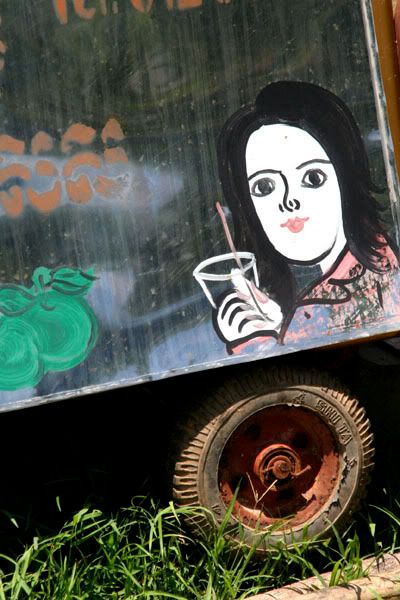
Sweet sugar cane.

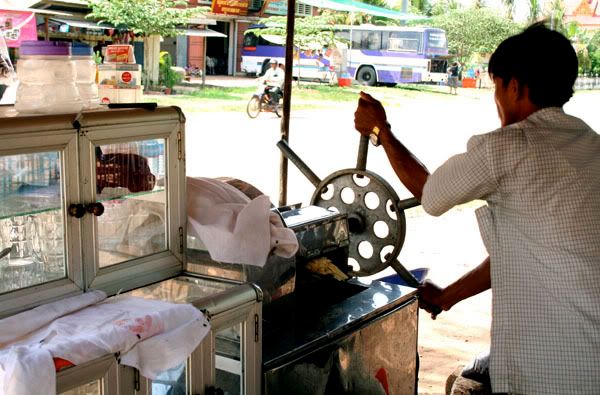
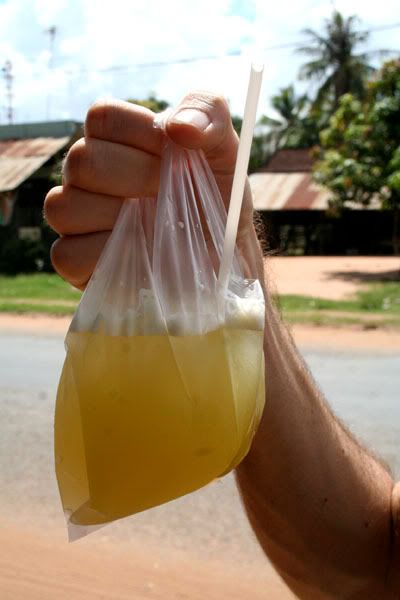
Sugar-cane juice may be the ideal drink for a scorching Cambodian day. Served in frosty mugs or plastic-bags, the pale golden liquid has a refreshingly citric sweetness. Though it's available throughout much of Southeast Asia, I'd never seen as many sugar-cane juice stands as I encountered in Cambodia. It seemed that every street, market, and noodle-shop had its own sugar-cane grinder at work. So in the interest of doing as the locals do, I ordered a bag.

The vendor grabbed some stalks of sugar-cane that were chilling in water, and placed them in his grinder. Leaning his whole body into the wheel, he turned them through one, two, three times. He threw some of the mushy pulp into the bottom of a plastic bag, and then poured in the lemon-yellow juice. Dipping a straw in, I took a sip. It was not as sweet as I expected, but nicely tart. And it certainly took the edge off the midday heat.

Wednesday, May 28, 2008

Rained in at the Royal Palace.

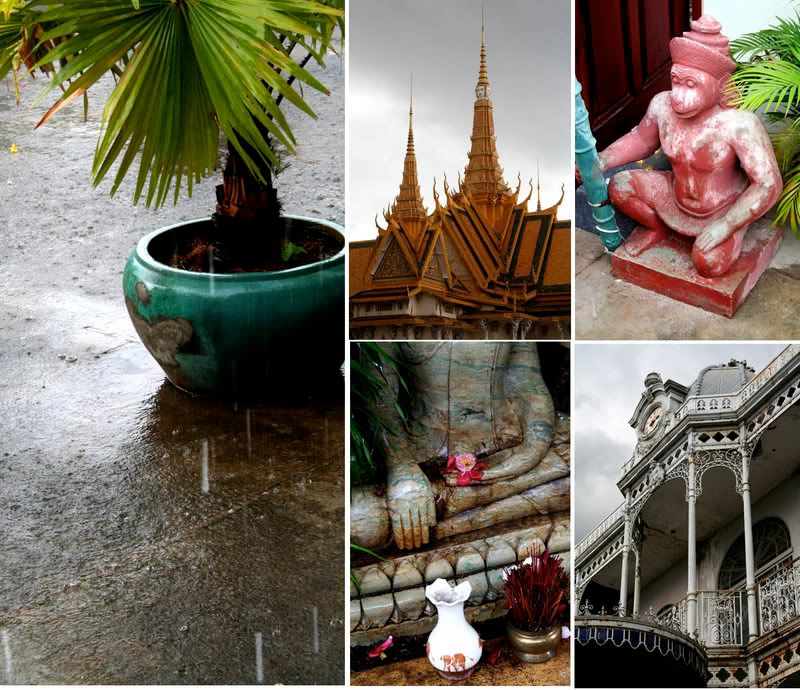
While visiting Phnom Penh's Royal Palace, we found ourselves captive, held at the mercy of a monsoon downpour. But sheltered in the portico of the Silver Pagoda, we were granted time to admire some of the more unusual elements of the temple grounds. For though Phnom Penh's palace may not have the flash and glamor of Bangkok's, it's still a visually captivating place, with teal painted guardians, faded Hanuman lampposts, and a mash-up of architectural styles.

Monday, May 26, 2008

Cambodia Cooking Class.

After fifteen minutes of waiting outside locked doors, we started to worry we were in the wrong place. The sign advertising The Cambodia Cooking Class suggested that we were in the right place, but there was no on there to greet us and no where to sit and wait. Finally the doors opened, and we were greeted by a man rubbing sleep out of his eyes. “I just woke up,” he explained. We moved inside to continue waiting in the darkened shop interior. The man who greeted us disappeared out the front door, while another man, our cooking teacher, came downstairs yawning. He began sweeping out the shop and cleaning up empty beer bottles, giving us no sign of what was going on.

When Bordeaux and I first came to Southeast Asia a year ago, we set as a goal to take a cooking class in every country we visited. We easily accomplished that in Thailand and Laos, and eventually we managed to take a class in Hanoi. The classes had all been wonderful. We got to prepare some good dishes, learned a little about Asian cooking, and got to learn a little about different culinary cultures. But as this class got off to its rough start, I was wondering if I was going to have to right my first bad review.

Close to fifteen minutes later, the other guy returned with a tuk tuk. We piled in, and headed for the market. Most cooking classes begin with a tour of a local wet market as a way to introduce some local foods, ingredients, and cooking methods. At the Thai Farm Cooking School, we were shown different qualities of rice, given a demonstration on making coconut milk and coconut cream, and lectured on the differences between different kinds of curry powder. In Luang Phrabang, we were shown a variety of fresh herbs and spices. In this cooking class, we walked through the market in a hurried single file.

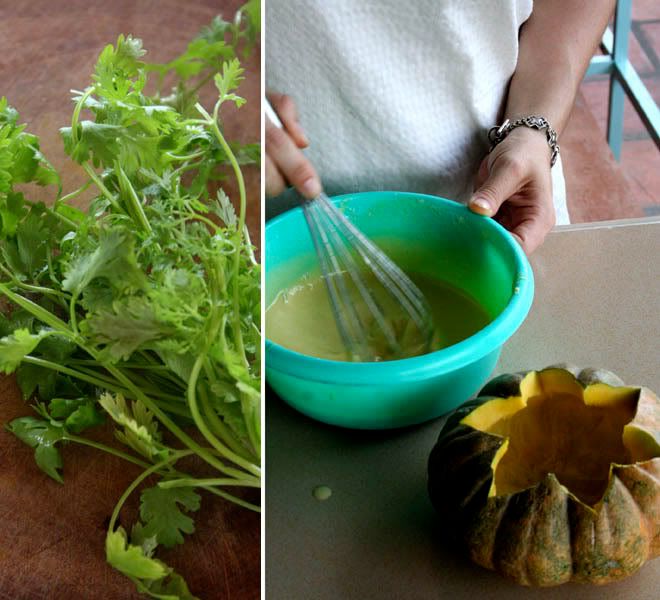
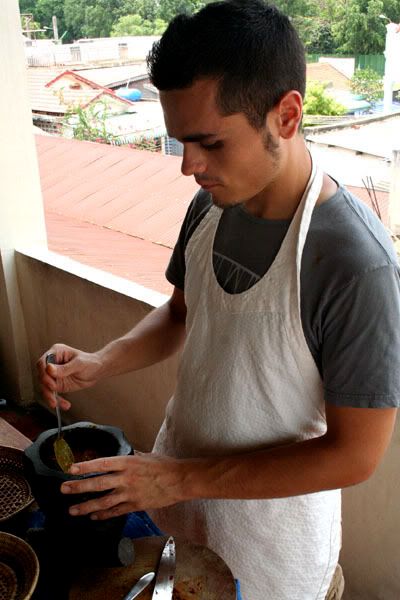
Thankfully, the tone of the class shifted rapidly once we got to the cooking school. This was no doubt helped by the setting of the kitchen, which was as relaxed as the market was hectic: a quiet top-floor patio, where we looked out over a busy baguette bakery and the lush garden of the Royal Palace. As we settled into the open-air surroundings, out teacher apologized for giving such a rushed tour of the market, and explained that the setting there is so crowded and busy that he wasn’t able to give any explanation. Instead, he took a selection of fresh herbs and vegetables out of the refrigerator, and talked us through them.

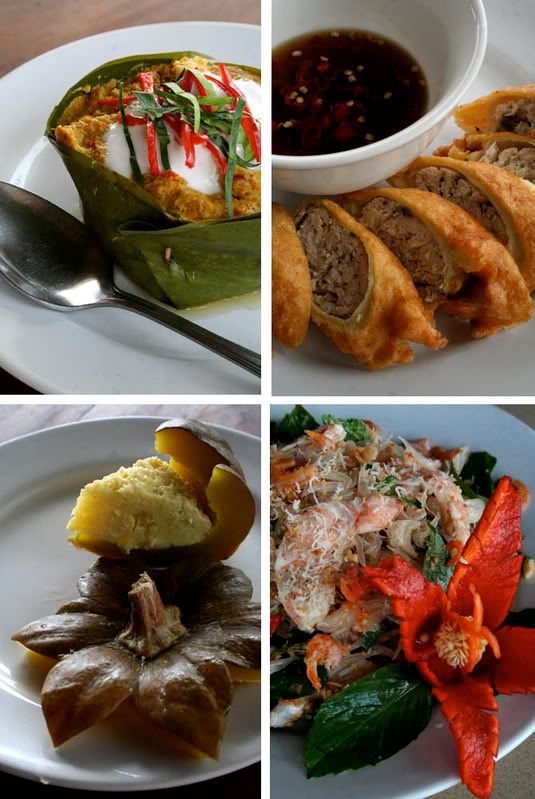
Over the course of the day, we each made (clockwise, from upper left corner): fish amok, a delicious custard-like curry that's steamed in a banana leaf cup; saing jayk, peppery pork and chicken 'sausages' that are fried in a banana flower roll; a citrusy prawn and pomelo salad made two ways- one with the prawns cooked, the other cured in a lime dressing; and for dessert, a creamy durian custard steamed in a pumpkin. We ate these dishes as we prepared them throughout the day, which gave the class a nicely languid atmosphere that fit with Phnom Penh's tropical heat. In between, we were given tastes of banana flower soup, and bites of fresh durian.

In the end, the class really was wonderful- enough so to make the rocky start totally irrelevant. Every class we’ve taken has had its strengths- whether it was the atmosphere of the class, the setting of the kitchen, or the glimpse into local culture afforded by the lesson. In this class, our guide was a trained chef, and there was a strong focus on food presentation. He gave us great tips on how to make our food look its best, and as a result, these were some of the most professional looking dishes I’ve ever made in a cooking class. He was an outstanding teacher, who helped us to make the cooking as effortless as he made it look. And most importantly of all, I left the class with the strong desire (and ability) to make some delicious Khmer dishes at home.

Wednesday, May 21, 2008

Spirithouse glam.

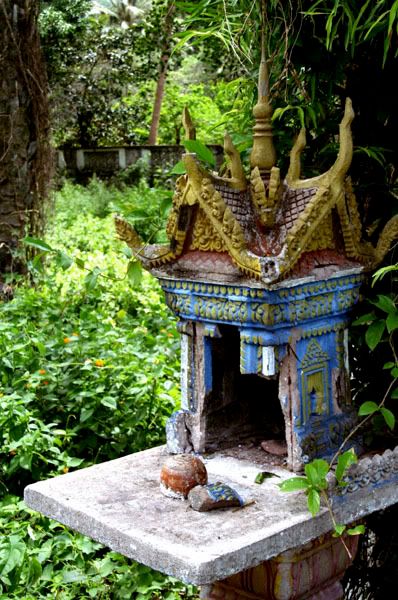
The spirithouses in Cambodia had a distinct style all their own. I particularly favoured these rather glamorous models, painted entirely gold.

Friday, May 16, 2008

Kep overgrown.

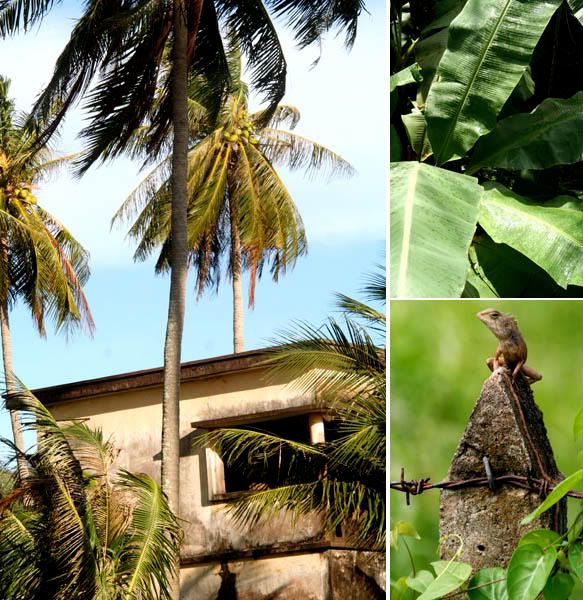
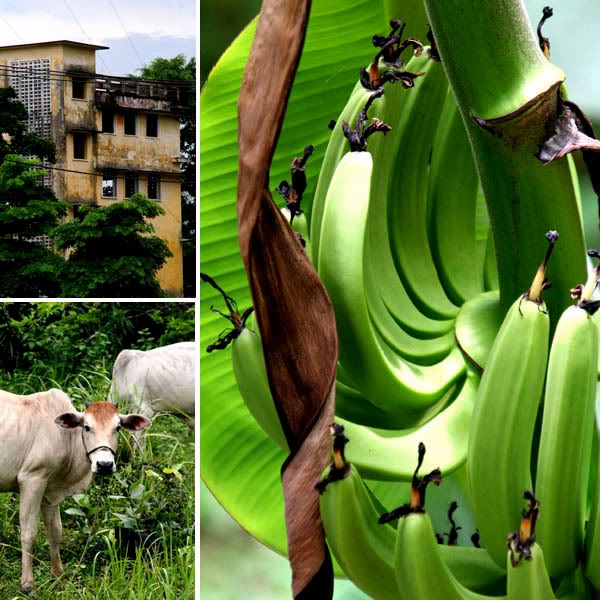
Though the presence of luxury Landrovers and sparkling new condos attest that Kep is on its way to becoming a hot destination again, for the moment the oceanside jungle still conceals ruins of the past. Rooms that once hosted cocktail parties and lavish dinners now shelter lizards and moths. The soil in the province is famously fertile; so fertile that even abandoned properties grow as lush as tended plantations. Banana palms cluster in shaded alcoves, jack-fruit trees burden their heavy fruit among exposed beams. On the other side of Cambodia, Angkorian ruins are held in the grip of strangler trees; that overgrowth is mirrored in this seaside paradise, as once elegant compounds are swallowed by the hungry forest.

Thursday, May 15, 2008

Spirit houses of Kep.

The Cambodian town of Kep was once a glamorous seaside resort, its rocky coast edged by Modernist villas. The civil war struck the town particularly hard though, and many of the houses were deserted, to be overtaken by the forest's growth. Yet even though the houses seem abandoned, some betray their habitation through their well-tended spirit houses.

Wednesday, May 14, 2008

eating culture/eaten: Mystery Cambodian Ice Cream.

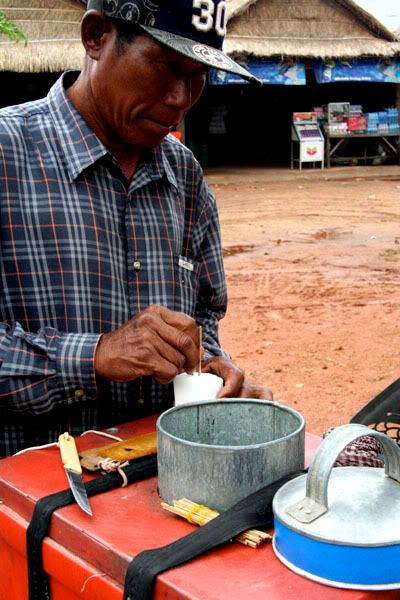
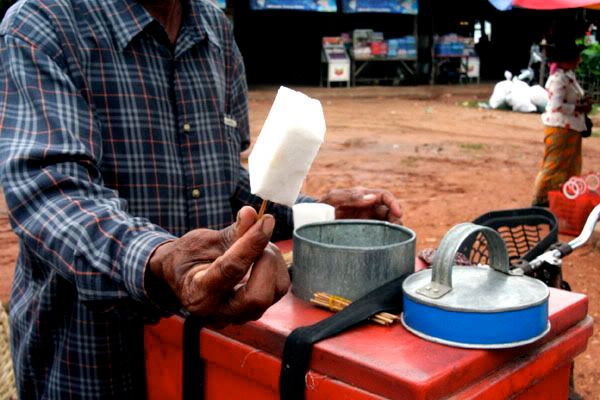
After a lunch in the seaside town of Kep, we were passed by a man on a bike. Our attention drawn by the clinging of his bell, we noticed that he had a blocky orange cooler strapped onto the back of his bike. We stopped him, and ordered one ice-cream each. Instead of the frozen popsicles we had been expecting, he took out a long white block, set it onto a small wooden cutting board, and sliced it neatly into sections. Sliding each one onto a bamboo skewer, he handed them to us.

As he chimed off on his way into town, we walked back to our guesthouse, taking licks of the ice cream as it melted in the afternoon heat. We had assumed it was just coconut ice cream, but we instantly detected a strange, subtle flavor. After a minute, we realized what it is: the infamous durian, which is currently in season. Though the fruit has a flavor most visitors find abhorrent, when mixed with the creamy ice cream, it offered just enough of an unusual, exotic flavor.

Tuesday, May 13, 2008

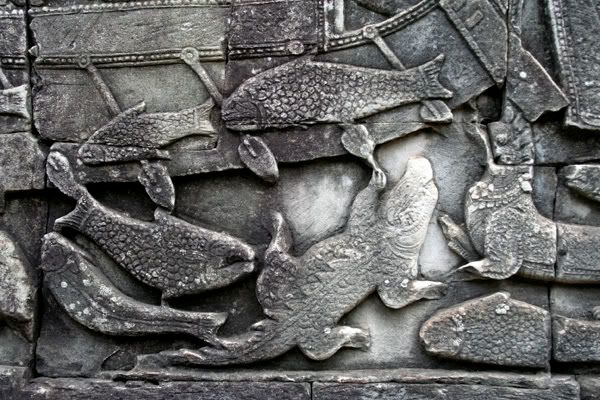
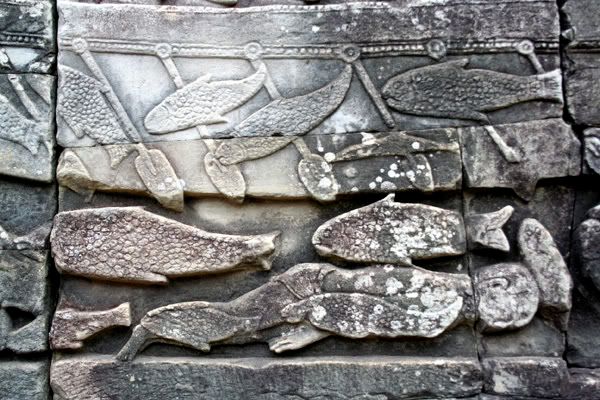
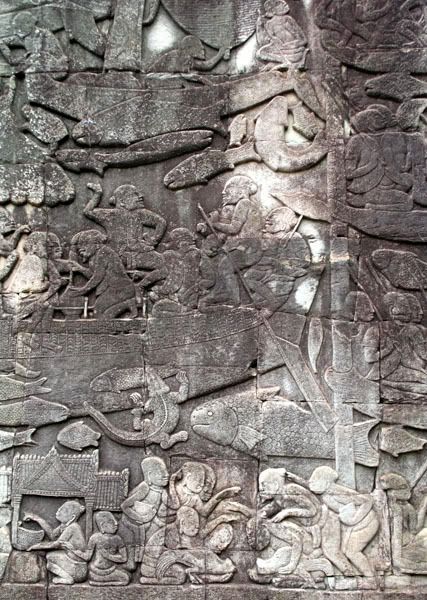
River monsters of the Bayon.

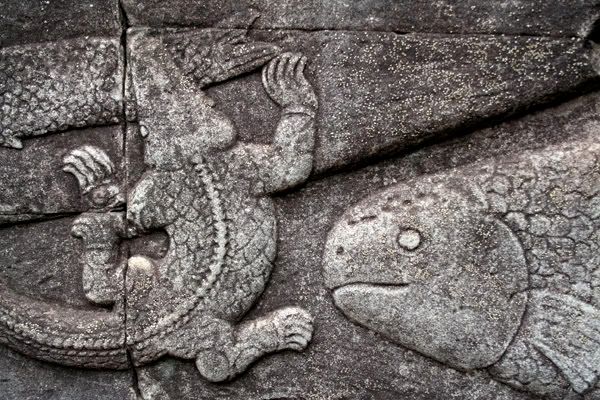
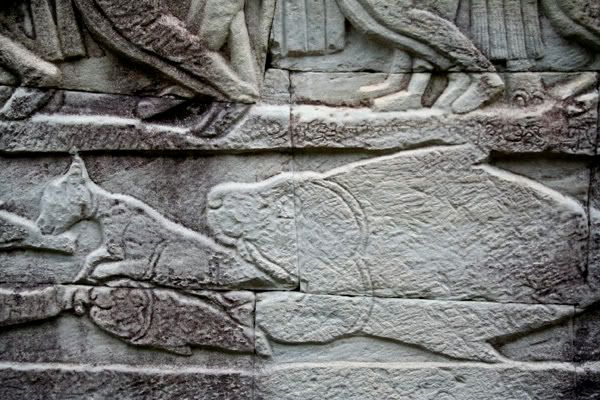
The bas-reliefs that line the outer walls of Angkor's Bayon depict scenes from life under the Khmer empire. Many of the stories are of historical battles, of Khmer soldiers in combat against Cham armies. Other scenes are of everyday life: citizens gather at the market, men watch a cockfight, women groom their friends' hair. There are also some more unusual scenes tucked between the chatting old ladies and the armored elephants: an old man climbs a tree to hide from a hungry tiger; a parade of unusual circus animals march through town. This empire of stone is watched over by a host of river dwellers: lazy crocodiles and giant fish that seem to observe the procession of human history with only a passing interest.

Some of these creatures seem truly monstrous, like the crocodiles that wait for the victims of war...

... or the fish that swallowed a deer.

But in most cases, they seem merely indifferent to the lives of the humans around them.

Monday, May 12, 2008

Siem Reap Treats.

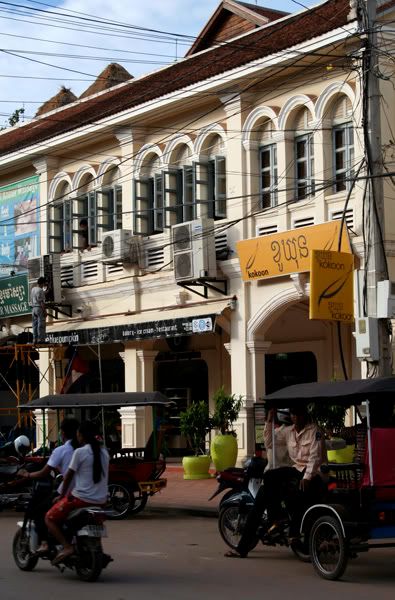
Long a gateway for visitors to the ruins of Angkor, the town of Siem Reap has in recent years been seeking to promote itself as a destination its own right. It now boasts hip hotels, attractive art galleries, and inviting coffee shops. Bordeaux and I visited Siem Reap last August; after a bit of rough traveling through Southern Laos, Siem Reap offered some wonderful comforts. We could have well-prepared espresso drinks, eat delicious baked goods, and find some other hard-to-find treats from home (this may be the only city in the Mekong Delta where you can buy Dr. Pepper). On this return trip, we enjoyed being able to resample some of these treats.

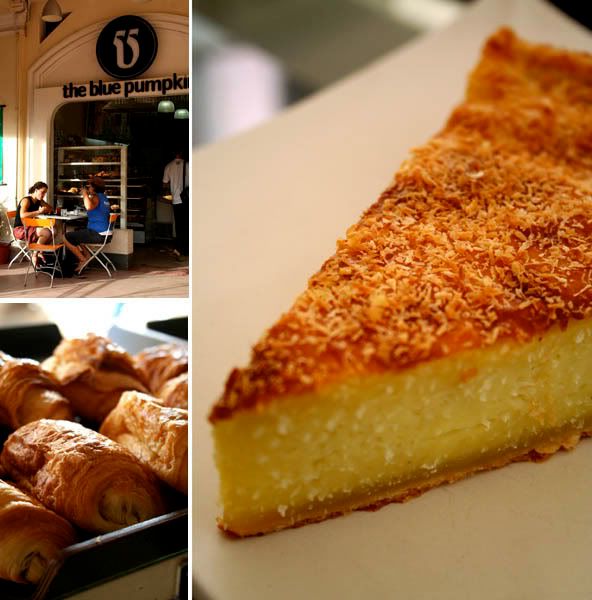
For coffee and cake, we headed directly for The Blue Pumpkin. Located across from the Old Market, their kitchen bakes up treats that strike a good balance between East and West. I tried the milky Coconut Flan, while Bordeaux had the tasty Pandan Coconut Cake. With its spare white walls and stark furnishings, the upstairs lounge may be a little too Bed Supperclub, but with comfy lounging space and strong air-con, it's hard to complain.

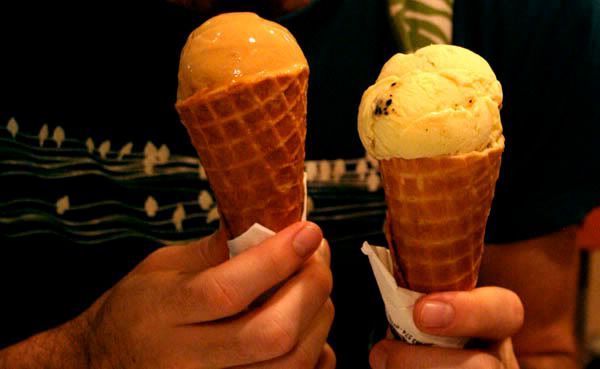
Blue Pumpkin also deserves mention for making what may be the most delicious ice cream in Southeast Asia. In addition to perfectly executed Western standards like mint or strawberry, or superb Asian options like durian and coconut, they make a few more unique flavors. During our first visit, Bordeaux developed a very strange affection for their cashew and caramel flavor, which he nurtured on this return trip. I opted instead for the ginger and black sesame. It was sharp and flavorful, but still creamy enough to offer refreshment on a balmy tropical evening.

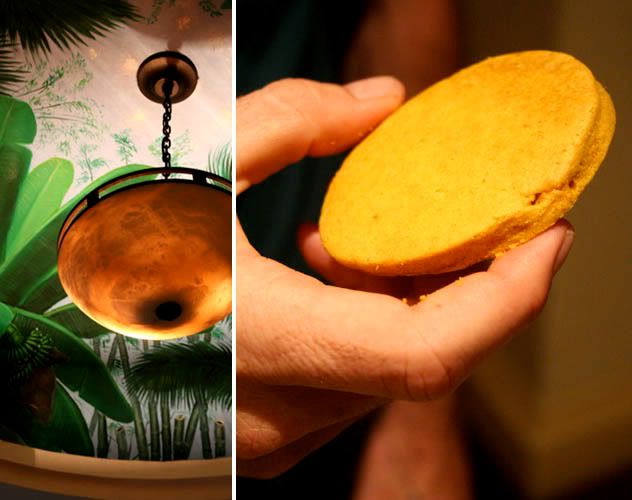
We visited the Raffle's Grande Hotel d'Angkor primarily to check out the retro '30s style, but I was also tempted by the glass jars of cookies in their tea shop. The most interesting was a turmeric cookie, which had the crumb crunch of buttery shortbread, with a softly spicy taste.

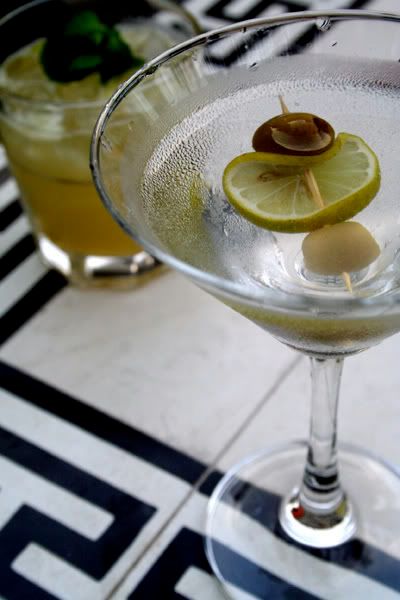
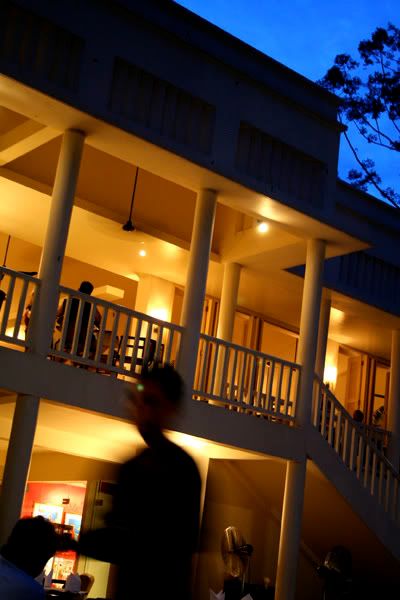
And to end our evenings, we headed to the FCC Angkor for cocktails. The FCC is housed in the former Governer's Mansion, a two-story art deco pile with swirling fans and delicate columns. On a rainy evening, we sat upstairs, listening to the sound of the monsoon downpour as it splashed onto the garden. On a clearer night, we sat on the patio downstairs while overhead giant fruit bats stretched their wings in the sticky night air.

*These sweet treats and dry drinks aren't the only reasons to linger in Siem Reap. For more ideas on things to do, eat, or buy in Cambodia, check out the listing at Stay Another Day. They seek to connect interested travellers with organizations, shops and restaurants that are helping to preserve local culture, and benefit local communities. A few examples they suggest in Siem Reap include Singing Tree Cafe, which offers healthy Khmer dishes in a relaxed garden setting, and Senteurs d'Angkor, a shop that stocks local spices and handsome silk scarves.

Wednesday, May 07, 2008

Angkor Colors: Orange and Gray.

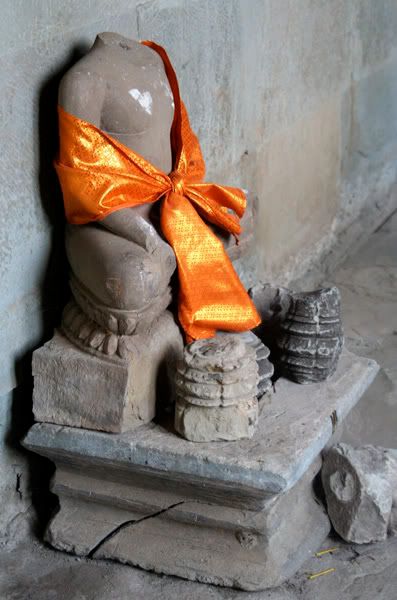
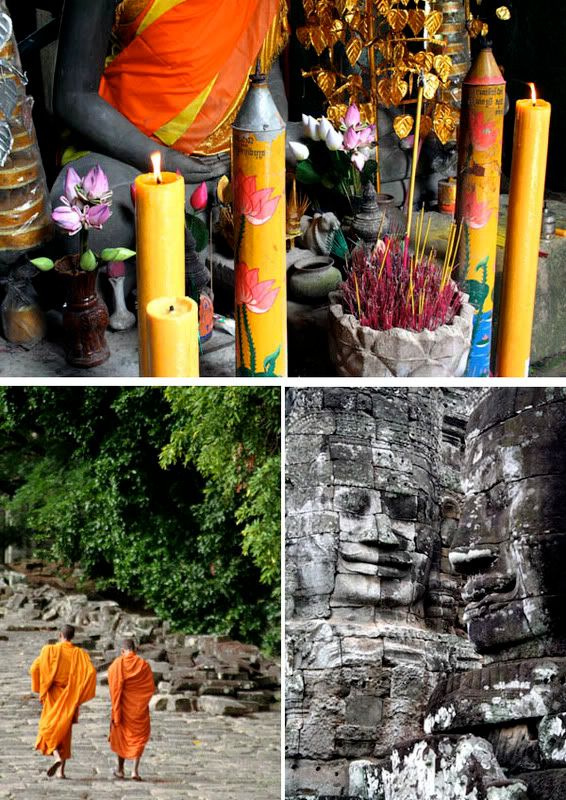
Photographing Angkor can be difficult. It can be hard to capture forms and contrast when the entire landscape is a dark shade of gray stone. But in between the slate walls and granite columns, there are spots of activity lite in splashes of bright orange. Though most Western visitors come to Angkor for its ruined 'Lost City' atmosphere, it's still a living site of religious importance. Sculptures of the Buddha are still lovingly draped in saffron silk robes, towering tangerine candles are lit in hallway altars.