Showing posts with label Laos. Show all posts

Tuesday, October 20, 2009

Travels of a different gentleman.

I'm currently reading Somerset Maugham's The Gentleman in the Parlour, which is really evoking memories of life in Asia, as well as helping me to think about some issues I've been mulling over. Obviously Maugham lived in a very different era-- one in which gin pahits were served for breakfast, and the use of racist slurs was perfectly acceptable in polite conversation (I'm glad we're moving beyond the racism, but I wouldn't mind bringing back the pahits, actually)-- but much of his themes are still relevant for the modern traveller. Particularly, it probes questions of why we choose to leave our homes, why we travel, and we seek homes in distant climes.

I'm really trying to work out why I travel, what I hope to get out of it, and where I hope it leads me. I'll share my conclusions, if I ever happen upon any.

Anyone have any answers? Why do you travel? Can one live their life completely untethered?

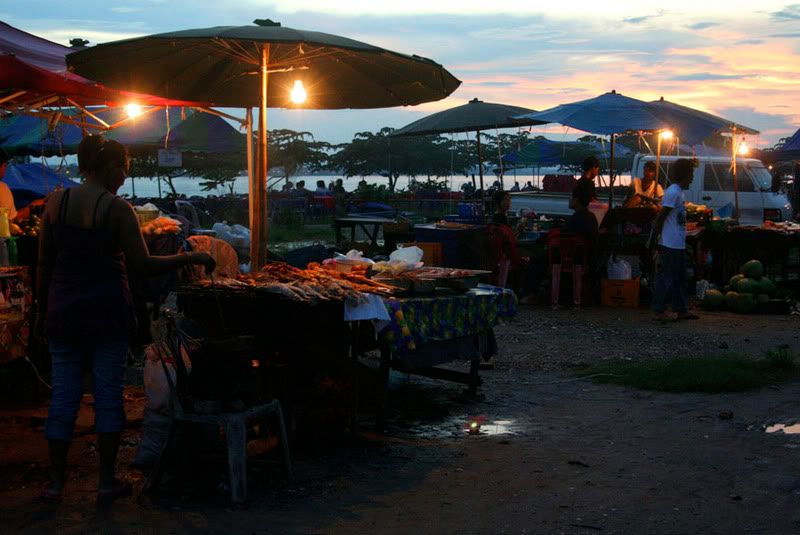
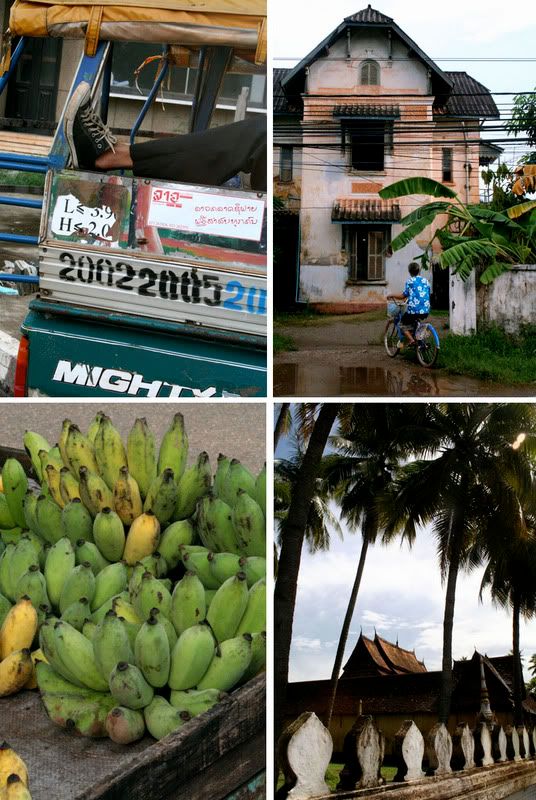
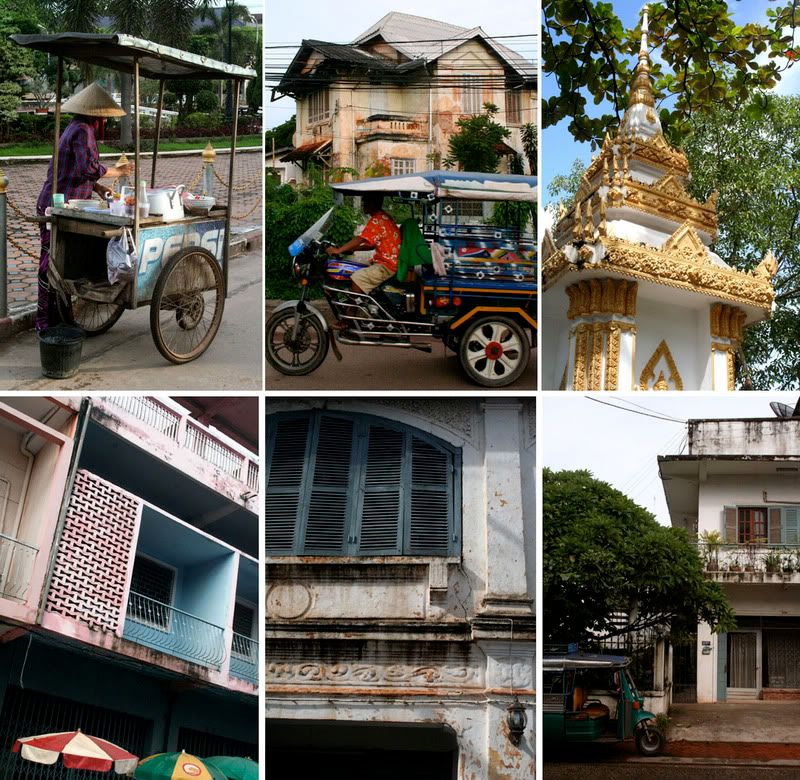
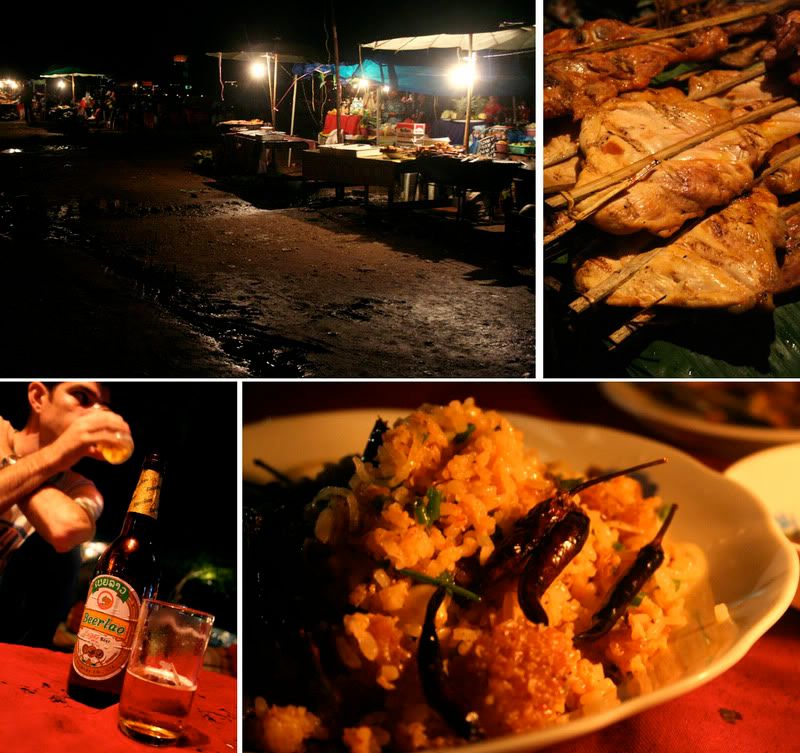
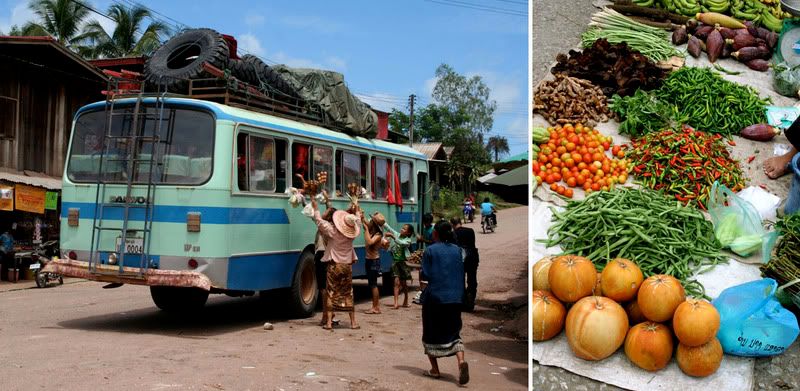
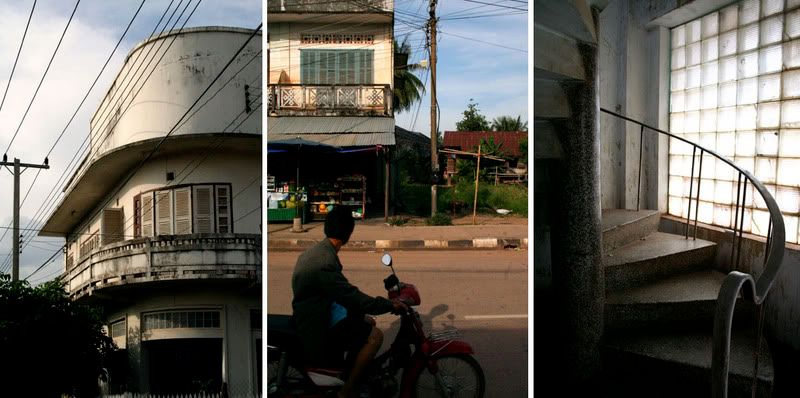
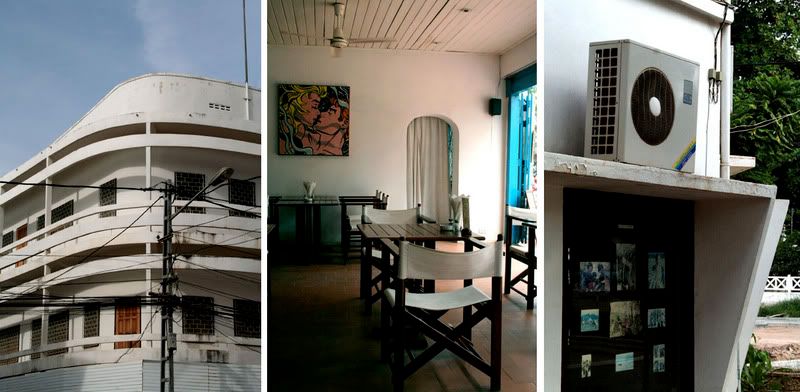
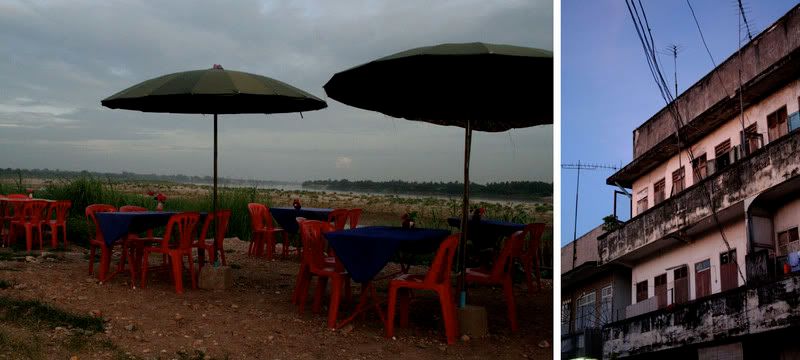
Pictured above: Luang Prabang, Laos, one of the most idyllic destinations in Southeast Asia. I don't know if I could ever make Luang Prabang home, but I certainly wouldn't mind going back.

Tuesday, January 01, 2008

The Top 7 Locales of 2007.

2007 has been an incredible year. It was a year of multiple residences, and a year of long travels in strange lands, both familiar and exotic. It was a year in which I was exposed to the wonders of Southeast Asia, and in which I came to grasp the beauty of my own dessert home. This list doesn't represent everywhere I visited this year, or even everywhere that touched me- notably absent are Cambodia, Cape Town, Taos, and a number of spots around Thailand. This list is simply a collection of the places that affected me the most, and have lingered in my mind the longest.
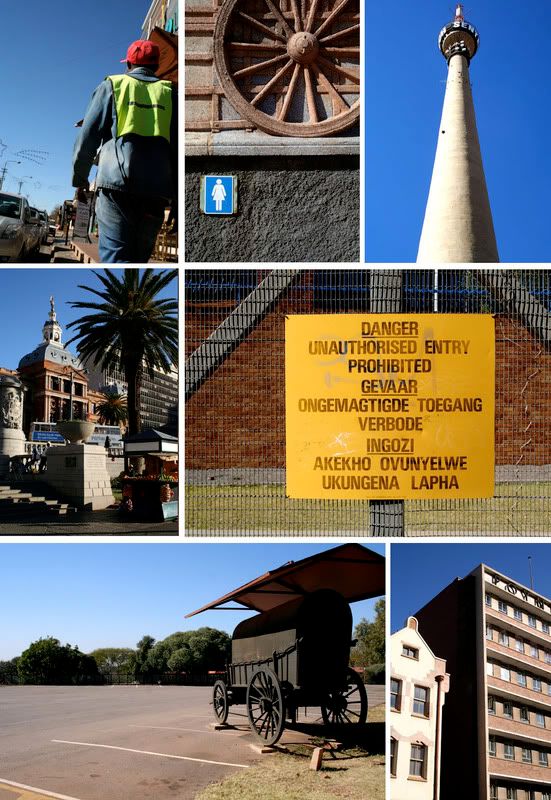
7. Gauteng. The placement of Gauteng at the bottom of my list represents, to a degree, my ambivalence about the place. The social character among many people is of fear: they've built up massive shopping malls and walled-in squares, where they can safely avoid having ever to go outdoors. In 2007 I spent a little time exploring Johannesburg on my own, and for the first time visited Pretoria. The architecture of the two cities cannot easily be described as beautiful, but has an odd ironic appeal. They're an uncomfortable mix of styles that represents so much about the contradicting values in South African culture: from the conservative monuments and boulevards of Pretoria, to burgeoning Urban redevelopment in a downtown Joburg reborn. Yet Gauteng is perhaps the most African of South African landscapes: a rapidly developing center that represents- both symbolically and literally- the financial aims of the continent. Perhaps as a result, one can see a distinctively African modern style in Gauteng, perhaps more easily than in Cape Town. For this reason, Egoli keeps me intrigued, and hopefully I will return to see more.
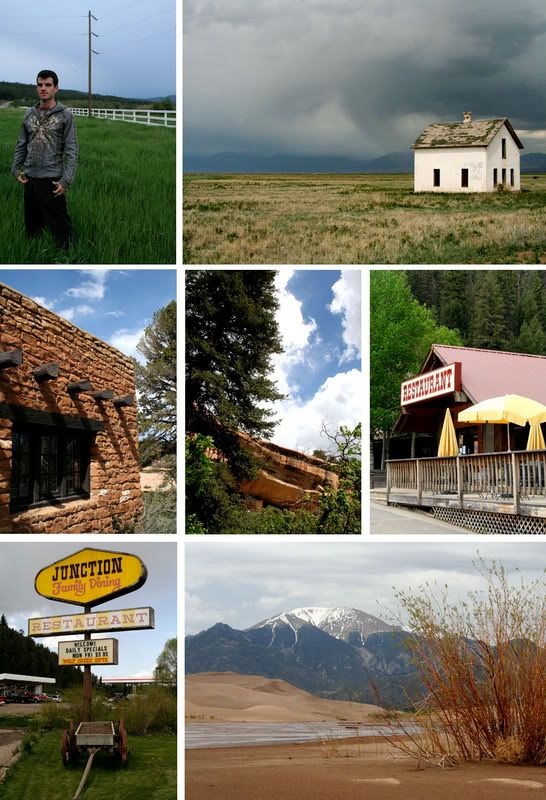
6. Southern Colorado. I visited Southern Colorado often as a child. Just several hours north of my home in New Mexico, it was an easy destination for weekends away or short family trips. But never before this visit have I been so astounded by what a place it is. Perhaps it was seeing through the lens of my foreign traveling companion, or a filter gained from years abroad; either way, Colorado seemed to me a distillation of all the classic images of America, free and glorious. There were horses running in wild overgrown fields, tremendous storms, and ice capped mountains crashing over the horizon of pine trees.
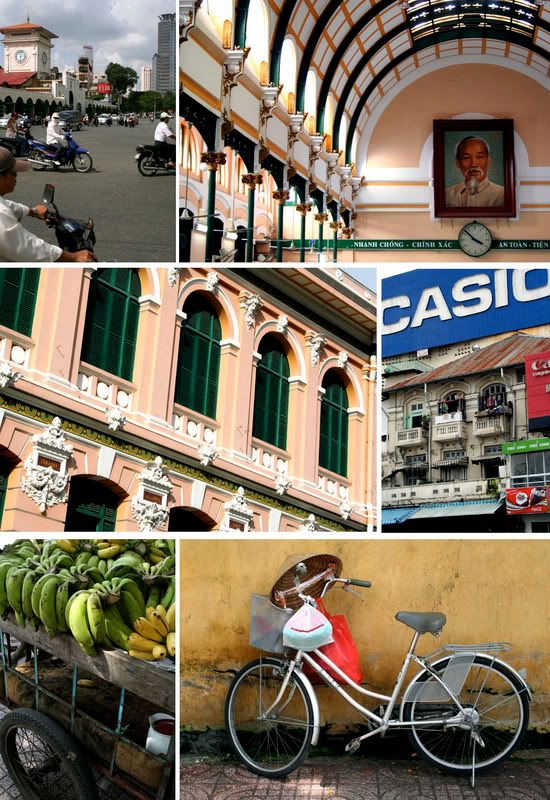
5. Ho Chi Minh City. The home that almost was. For a week I struggled in Ho Chi Minh, worrying about finding work and a place to live. It wasn't until just before I left to return to Bangkok that I was able to see what a truly beautiful, graceful city it is. Where Bangkok is tropical in its steamy, swampy overgrowth, Ho Chi Minh has refined its tropical heat into an elegant style, with pale painted walls, and ornately shuttered windows. The frantic pace of the city is visible in the motorbikes that swarm the street, and yet relaxation is offered in discretely hidden cafes, and in leafy courtyard restaurants. And though I had to choose not to live there in the end, it was undoubtedly one of the most intriguing cities I was lucky enough to visit in 2007.
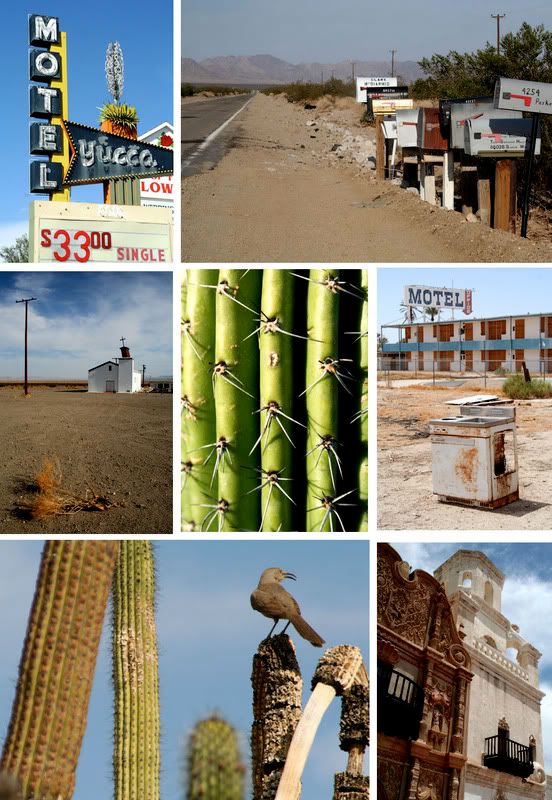
4. The Deserts of Southwestern USA. On our way from Los Angeles to New Mexico, Bordeaux and I passed through the great deserts of the American Southwest. While it was in many ways a home-coming for me, I was struck for the first time what a bizarre and unusual landscape it was. I revisited some places, like Las Vegas and the Grand Canyon, but I also searched out new places I had never been to: Salton Sea, the mission at San Xavier, Sonoma, Organ Pipe National Park. I explored abandoned motels, drove through thunder storms, and slept under the gaze of kitt fox and kangaroo rats. From the neon wasteland of Las Vegas, to the austere grace of Spanish mission cathedrals, to wonderland cactus gardens, I came to see how the desert Southwest is undoubtedly one of the most exotic landscapes in the world.
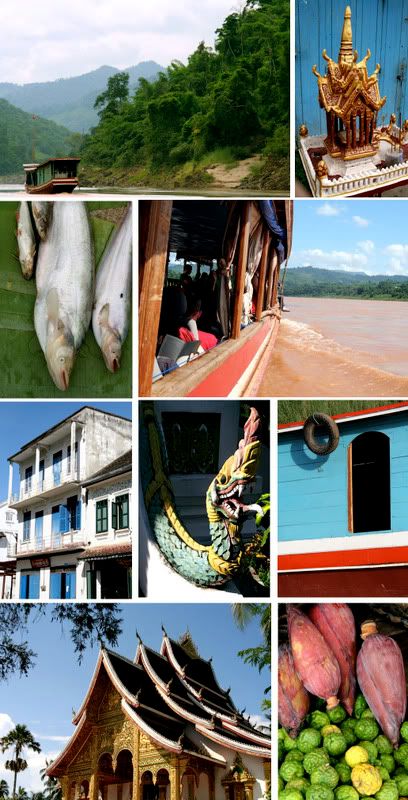
3. The Mekong River. The exotic pleasures of Southeast Asia are given form in the meandering brown river called the Mekong. For almost a month we followed the river, from the overgrown hills of Northern Thailand, through the Oriental splendor of Laos, into the wild, dusty landscapes of Cambodia. The river is home to such incredible places as the elegant village of Louang Phrabang, the stylishly mod capital of Vientiane, and the frontier town of Kompong Cham. It was for me a river of untamed jungles, golden temples, and painted blue shutters. And traveling for two days on a slowboat, through tall lush forest and tiny bamboo-and-thatch villages, is unquestionably an experience that will stay with me long after 2007 has passed.
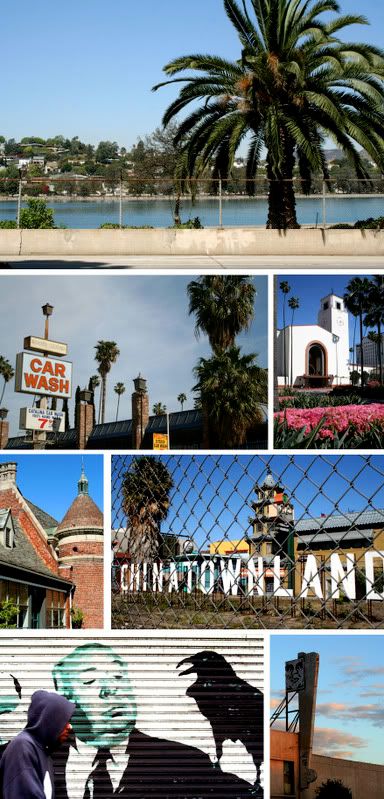
2. Los Angeles. It may seem odd to make a city where I lived from 2001 to 2005 my #2 spot for 2007, but I have reason. I spent most of 2006 in Cape Town; and though I love the Cape, I thought often of LA. I remembered places I missed, thought of neighborhoods I never got to explore, and lamented the fact that I had taken no photographs of the city. I had lived in LA while going to college, but I had never really gotten to know the city, never became a local. So when I returned to the US in late December, I took it as my second chance to get to know Los Angeles. I arrived in California on New Year's Eve, ready to start 2007 in LA. I got to know the city in ways I never had, discovering the styles of midtown, the charms of Little Ethiopia, and the grungy pleasures of Echo Park. I shopped at farmer's markets, used public transport, become a local at several cafes. I came to really enjoy the way that life existed somehow between asphalt reality and a fantasy vision that Hollywood had created of itself. In 2007, Los Angeles emerged for me as a place not just where I went to college, but as a city that I really know; a city from which I draw inspiration; and a city that I now think of as a distant, beckoning home.
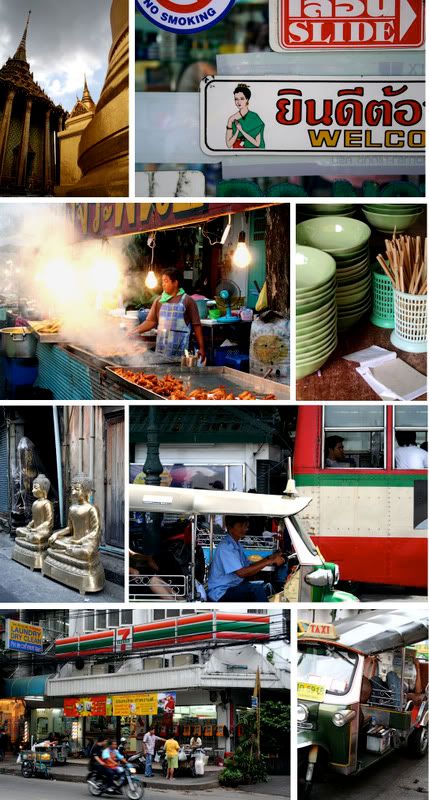
1. Bangkok. The number one place for 2007 was, without question, Thailand's capital city. With it's addictive flavors, hip urban culture, and lush concrete landscapes, Bangkok grabbed me in a way no other city has. I arrived in Bangkok unsure of what to expect, prepared to hate the city. I had been told for years that the best strategy when traveling in Thailand was to fly into Bangkok, and quickly get out to anywhere else. But the moment my airplane lowered below the clouds and I took in the towering sky-scrapers, piercing wats, and python-curves of the Chao Phraya river, I was entranced, and I've only grown more fascinated since.

Wednesday, September 19, 2007

Cafes of Vientiane

When we left for Laos, I was hoping that the rainy season would have passed through already. I imagined warm sunny weather, and clear blue skies perfect for photographing the city. My dream didn't last long. Within an hour of crossing the border, the gray sky released a torrent of pounding rain, setting the tone for our short visit. It actually wasn't such a bad thing. It turned out to be the perfect excuse for us to spend our time in Vientiane hanging out indoors, enjoying the many inviting cafes the capital has to offer.

Our first stop upon reaching the city center was at JoMa, a coffeeshop and bakery we'd be longing for since we last left Laos. We ordered two lattes, which were just as rich and creamy as we remembered. Bordeaux ordered a slice of smoked chicken pizza, which came on a home made crust and was flavored with a nice mix of peppers and onions. I ordered the tuna melt on rye, knowing it was the only place in Asia to satisfy my craving for my favorite comfort food. We grabbed a few issues of the Vientiane Times, and grabbed a table upstairs by the window. As we savored our coffee we watched the pouring rain and flooding streets, comfortable inside the sleek urban cafe.
As much as we were tempted, we decided not to spend our entire visit lounging inside JoMa. We decided to visit the Scandinavian Bakery, which we didn't get to during our last trip across Laos. It's alledgedly the most popular coffee shop in Vientiane, and I was curious to see whether it deserved that honor. We each ordered a mug of coffee, and we split a large chocolate muffin. The coffee was passable, but rather bland and a little too acidic. And despite have a small courtyard right across from the central fountain, I wasn't impressed by the atmosphere. The chocolate muffin, however, was rather good. It was topped with cashews, and sprinkled with confectioners sugar. It seemed at first as though it was going to be rather dry, but it became nicely soft and moist the closer to the center we got, and there was an unexpected center of strawberry jam. So while the coffee and the ambiance might not be deserving of a visit, the pastries alone might make it worth while.

For lunch on our last day we tried another cafe, Le Banneton. I was first drawn to it after seeing someone leaving the shop with armfuls of fresh, crusty sesame covered baguettes. The atmosphere inside was warm and inviting; with glowing yellow lights and dark wood furniture. There were a wide range of breads and pastries behind the counter, and some hip photographs of Lao people on the walls, creating a nice combination of European style and local flavor. Bordeaux ordered a grilled panini, made with curried chicken and apple. I had a rustic baguette sandwich, filled with an omelette, oyster mushrooms, and slices of potato. The bread used in our sandwiches was incredible, and the fillings were delicious; impressive in a city where Western food is rarely more than a passable imitation.
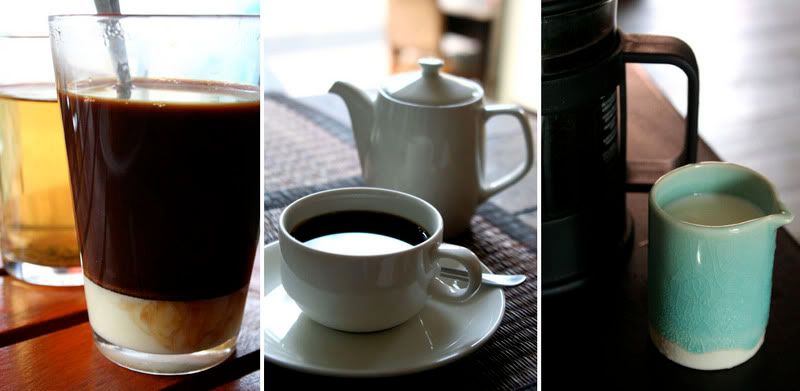
Not only does Vientiane have a wide range of European cafes and American coffee houses, but it also offers the chance to sample the local Lao coffee. This is brewed in metal pitchers, and served in short glasses with a thick layer of condensed milk at the bottom. I had tried Lao Coffee numerous times throughout my last visit, and had rarely been impressed. It was often too strong and bitter, turning into a bitter goo when stirred together with the condensed milk. Walking through the city center on our first day we passed a sweet looking foodstand that appeared to be quite popular. Seeing their boiling coffee pots, I became curious to give Lao coffee another try. We ordered two glasses, and took a seat at one of the plastic tables inside. Amazingly, the coffee was actually quite incredible. It had a smooth, rich texture, creamy like melted chocolate. The coffee brew itself was rich and strong, with hints of cocoa.

Despite the incredible range of cafes we'd found, and the others that we still hadn't tried, when it was time to leave, we made one last stop at JoMa. We got two last lattes and a few delicious pastries- the perfect treat to tide us over until we return.

Tuesday, September 18, 2007

Tuk-tuk style.

Though there are a few ancient taxicabs plying the streets of Vientiane, the main method of public transport is in little vehicles called tuk-tuks. A bit different than the tuk-tuks in Bangkok, the Lao models are a little like pickup truck beds fitted with benches and attached to the back of a motorbike. What I like most about them is the elaborate decorations they sport. They're usually painted in metallic green or blue, and tattooed with stickers, many of which advertise a Western-commodified masculinity. They feature tigers, lions, and wolves, Marlboro men and Rambo like gunmen.
Monday, September 17, 2007

Weekend Getaway: Visa-run to the Lao capital

At the end of this past week, Bordeaux and I traveled to Vientiane, the capital of Laos. It's a quiet capital city, with a laid back atmosphere that flows from the muddy Mekong river to the wide untrafficed boulevards. Our visit was primarily for bureaucratic purposes, as we needed to apply for 60 day visas at the Thai embassy, but we took the opportunity to have a mini-holiday. Two days gave us just the right amount of time to enjoy the understated urban-exotic pleasures of the Lao capital.
Vientiane is a strange city, hard to describe as either exotic or beautiful, though I think it is both. The city is set among green forest on a bend of the Mekong, looking across the brown waters at Thailand. There aren't too many grand sights worth seeing, but there is still a lot to see. There are traveling vendors, pushing carts loaded with bananas or durian. There are several impressive wats, with golden chedis glittering beneath coconut palms. Perhaps best of all, it has an incredible number of charming cafes and delicious bakeries. Between hours spent in cafes, we managed to find a little time for sight-seeing. We woke up early on the second day to visit The National Museum, which we had missed on our first visit. It was a strange mix of natural history and nationalist sentiment; the dimly lit halls were crowded with concrete dinosaurs, socialist propaganda, and moldy displays on ethnic crafts. There were crude paintings of noble Lao villagers being tormented by French colonialists, and dozens of black-and white photographs labeled to identify 'American Imperialists.' A little later in the day, we visited the city market. Unfortunately, the crafts on sale weren't too interesting, especially compared to what you can find further north in Luang Phabang.
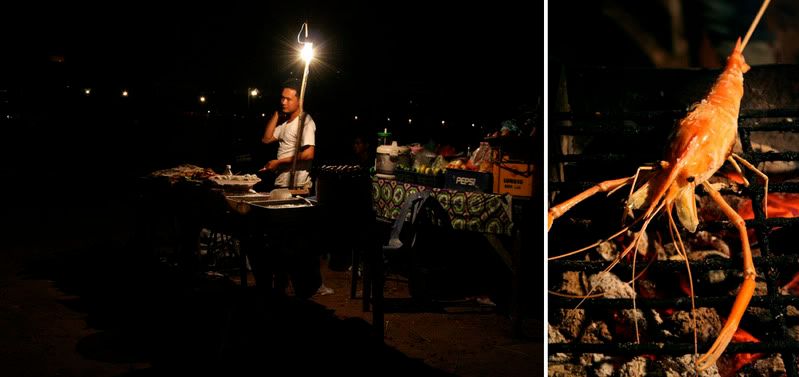
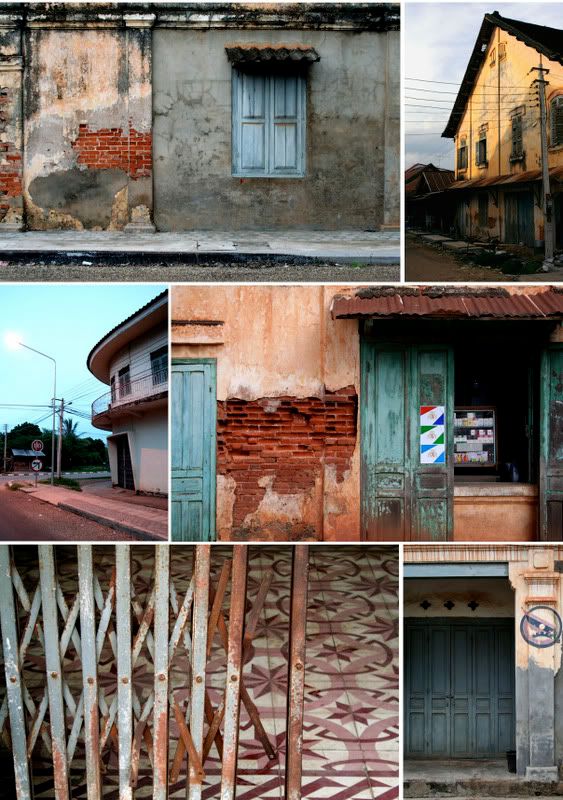
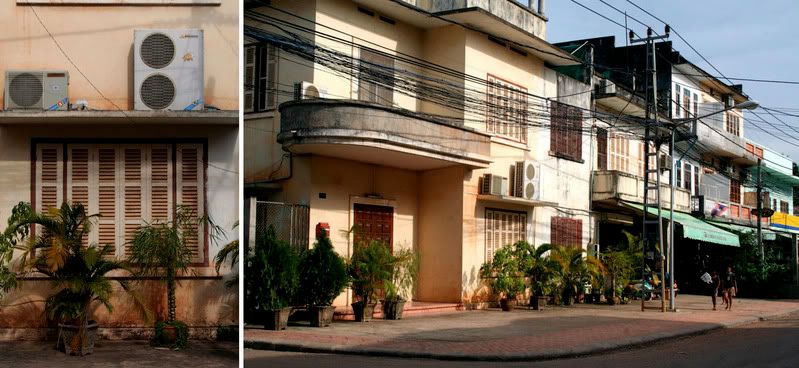
The first thing that struck me about Vientiane when I first visited in July was the architecture. There are mod 1960s shopfronts, all spare lines and angled windows, and there are graceful colonial villas, wooden shutters and banana palm shaded balconies. And unlike in Luang Prabang, where many of the old buildings have been pristinely restored, most of Vientiane's relics are quietly moldering and crumbling. Even the rather stately colonial mansions that are scattered around the city center seem to be neglected, growing mossy in their overgrown gardens. This gives the city a tone of languid timelessness, of being neither perfectly preserved nor of being wiped out for new development. For our only dinner in Vientiane, we enjoyed a Lao feast by the river. At night, a number of food stands set up shop on the escarpment overlooking the Mekong. After finishing a large bottle of Beer Lao from one stand, we searched out another with a fresher looking kitchen. Since everything is out in the open, it's easy to get a quick glimpse of the state of their ingredients and cooking skills. We found a decent looking place that had a busy grill, and a lot of fresh vegetables behind the counter. We ordered a big Lao meal of grilled chicken, spicy papaya salad, and namkhao. The highlight of the meal for me was the the barbecue chicken. While it may not sound too exciting, it is actually a specialty of the area. I had first seen it in Thailand's Isaan region, which shares a similar history, and thus cuisine, with Laos. If bought to-go, it's usually sold with the whole chicken's body splayed on skewers. Since we were eating in, they kindly cut it up and presented it on a plate. There was nothing particularly exotic or distinctly Lao about it; it just tasted like very delicious barbecued chicken. A bit more distinctive perhaps was the namkhao, a dish of brown rice, coconut, vermicelli noodles, and spring onion. It was sprinkled with dry roasted red chilies, which added a smoky spicy flavor, and served with a plate of fresh greens.
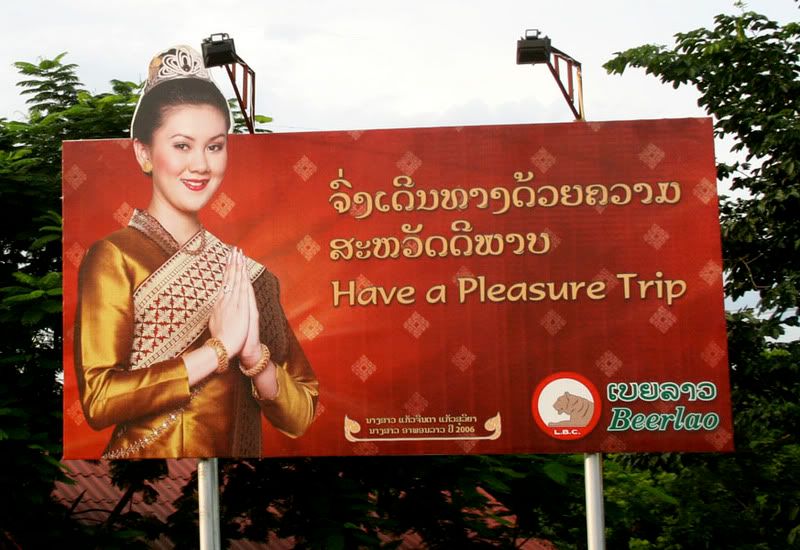
Our two days passed quickly, and after picking up our passports from the consulate we had just enough time for a final stop at our favorite cafe. Before heading for the border, we bought a delicious pate baguette sandwich and two bottles of Beer Lao Dark to enjoy as a last Lao treat on the train. As we crossed the border, we were wished a fond farewell by the brewers of Beer Lao, who wished us to have a "pleasure trip." We certainly did.

Tuesday, September 11, 2007

Lane-Xang.

Tomorrow night Bordeaux and I are taking the train to Vientiane, in order to extend our Thai visas. It's a bit of a mission, but a nice excuse for a quick vacation. We'll be able to revisit a favorite old coffee shop, enjoy some Lao beer, and admire the Mekong once again.
While searching online for hotels in Vientiane, I came across the rather dreary website for the Lane-Xang hotel. I know it's impossible, but their website seriously looks as though it had been created in the late 1960s, and not updated since. Then again, that could almost describe Vientiane itself.

Sunday, July 29, 2007

Dining on the Mekong.

Unlike Thai food, which, thanks to Los Angeles' many fine Thai restaurants, I was familiar with, Lao food was completely unknown to me before my visit. Though some dishes in Laos were similar to food I'd had in Thailand, there were some notable differences. Lao food in general tends to be less spicy, and most subtly nuanced, with flavors balancing each other out.
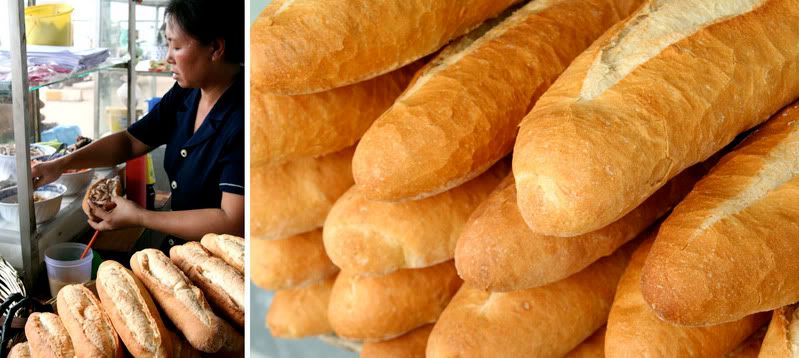
One of the most noted legacies of the French occupation of Laos is the presence of the crusty baguettes sold just about everywhere. While the baguettes often come with meals at chic cafes and elegant restaurants, one of the best places to try them is at street-side stands. Foot long baguette sandwiches can be bought cheaply, and are surprisingly delicious. The bread is usually fresh, with a crisp crust and soft interior, and the sandwich is created with a seemingly strange mix of ingredients. Standard ingredients include cucumber, cold cuts, chili sauce, pate, and fish sauce (and for those who like it, dried pork flakes). The result is a sandwich that, like most Lao food, has a mix of nicely nuanced flavors and textures, with salty, spicy, and savory all delicately balanced.
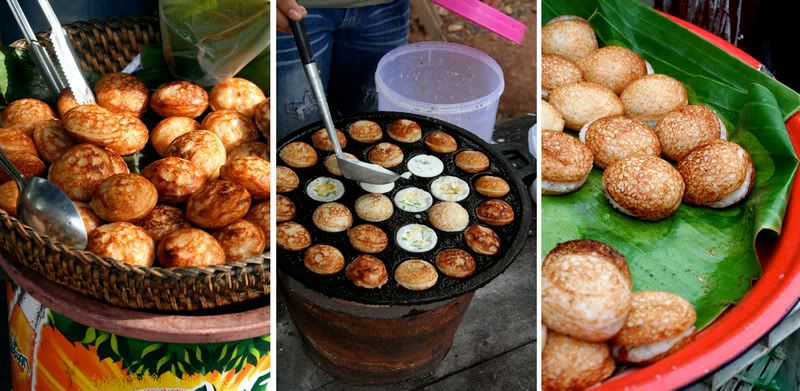
There were an amazing variety of snacks for sale at the morning markets, from fried crickets to while grilled chickens. One cheap street-food treat that I loved were the tiny rice-porridge tarts that were sold at markets all around Laos. I haven't been able to find out what they're called, and I can only guess what they're made of. They're poured as a batter into a sectional griddle, toasted brown, and served straight off the griddle. They're eaten piping hot, the creamy center able to burn the roof of your mouth. They usually have the flavor of a pancake, with hints of spring onion in the center. In southern Laos, I bought a batch that was made with sweet corn, and served with a coating of white sugar.
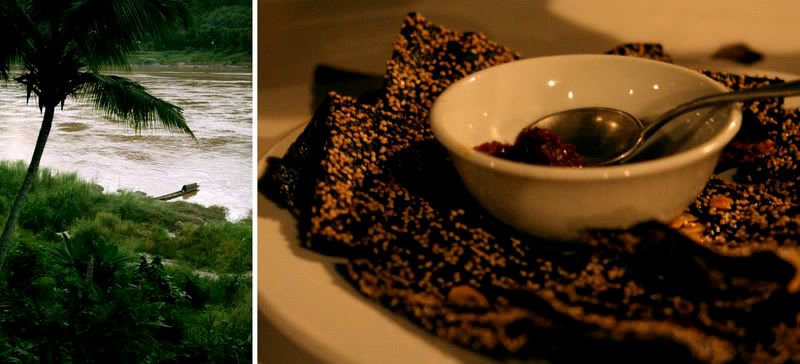
Considering that Laos is basically a long parcel of land stretch across the Mekong, it makes sense that a lot of food should come from the river. One of my favorite river treats was a Luang Prabang speciality called khai paen, fried river-weed chips. Bordeaux and I tried them at a cheap riverside restaurant in Luang Prabang, looking out over the Mekong. The riverweed was served in large, thin squares, and were so dark green as to be almost black. They had a soft seaweed taste, which was complimented by a coating of toasted sesame seeds. Perhaps best of all, the chips were served with jeowbong, a Luang Prabang chili paste. Though not particularly hot (the paste is made with 1/3 chili and 2/3 sugar), the paste added a sharp spicy-sweet flavor.
We happened to be in Laos during the season for river prawns, and we would often see the huge, blue prawns cooling in ice at foodstalls around Vientiane. Despite not really caring for prawns, I was curious to try one. I bought one in Vientienne, from what is likely Laos' least convincing transsexual (as Bordeaux said, Lao trannies just don't try very hard). The prawn was grilled over coals until it turned deep red, the shell just toasting black. It was tasty and surprisingly meaty, though as said, I don't really care for prawns. So what's the point of my review?
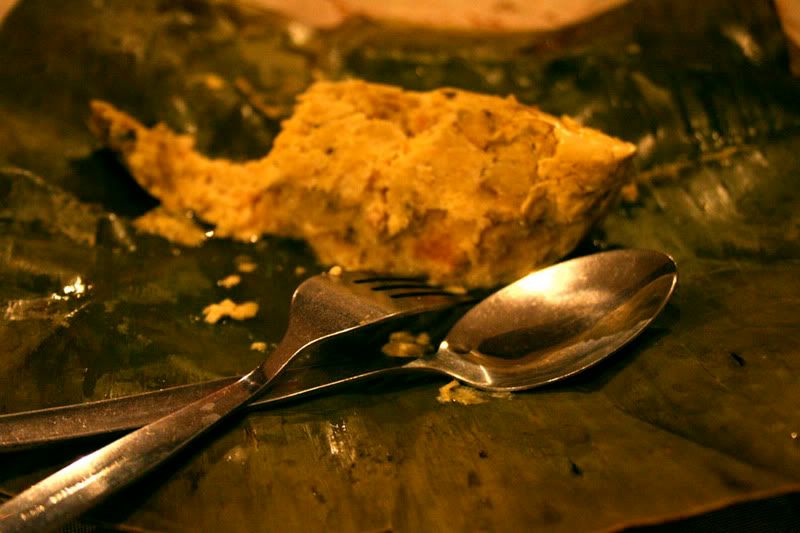
But by far, my favorite riverine meals was mok pa, a fish curry steamed in banana leaf. We ordered it at guesthouse in the 4000 Islands, in the tropical south of Laos. The fish is cooked in the banana leaf, turning it into a paste like consistency that is soft, delicate and full of flavor. It had a melting texture, and a strong, fresh lemon grass flavor, with sharp hints of kaffir-lime leaves.
One of the things I was most curious to try (but found most disappointing) was Lao coffee. Unlike the hilltribe flavor of Thailand, which was naturally sweet and highly flavorful, most of the Lao coffee I had was too dark and bitter for my taste. While this is certainly due in part to the quality of the coffee beans themselves, it was likely in part a result of the way the coffee is prepared. Lao coffee is generally prepared in in a metal sieve, and then served in a small glass over an inch of condensed milk. Though occasionally it came out well, the bitterness and sweetness nicely mixing, it often was simply too bitter, and too mudlike. Certain Western style coffeeshops, most notably JoMa in Vientiane and Luang Prabang, used Lao coffee to make delicious, if not uniquely flavorful, lattes and americanos. Morning Glory, in Luang Prabang, served a nice Lao coffee in a french press, fitting of its euro-tropical cafe.

Friday, July 27, 2007

Ruins of Southern Laos.

Departing from Vientiane, Bordeaux and I left behind the comforts of Northern Laos. The bus from Vientiane to Savannakhet should have been a good indication of what was to come: our bus turned out of the station, stopped directly across the street to load on more passengers, waited while they got settled on plastic stools in the aisle, started up, slowly crawled a block, then stopped again to let on vendors, who climbed in over everyone to sell grilled chicken, fried crickets, and bottles of coke. An hour after we were scheduled to leave, we were barely leaving the city.
We reached Savannakhet in the late afternoon. Savannakhet is mostly notable for what it could be, or almost is. It's almost a charming city; it could be, as the guidebooks optimistically describe it, 'the Luang Phabang of the south.' And to be fair, it certainly has a lot going for it: a pleasant location on a bend on the Mekong, a white walled church set at the head of a large open square, and beautifully faded French architecture from the 1930s to the 1960s. But somehow it seems as if none of this is living up to its potential. The city lacks the cafes and restaurants of Louang Phabang or Vientiane, has little to offer for accommidation, and has few sites worth visiting. It would be nice place to relax if only there were a comfortable place to do so. At the time of our visit there was a new cafe opening up on the square, but even that looked like a generic import. Still, despite its lack of amenities, the charms of this rusted and aging city make it more than likable; I only wish there was more to reward that affection.
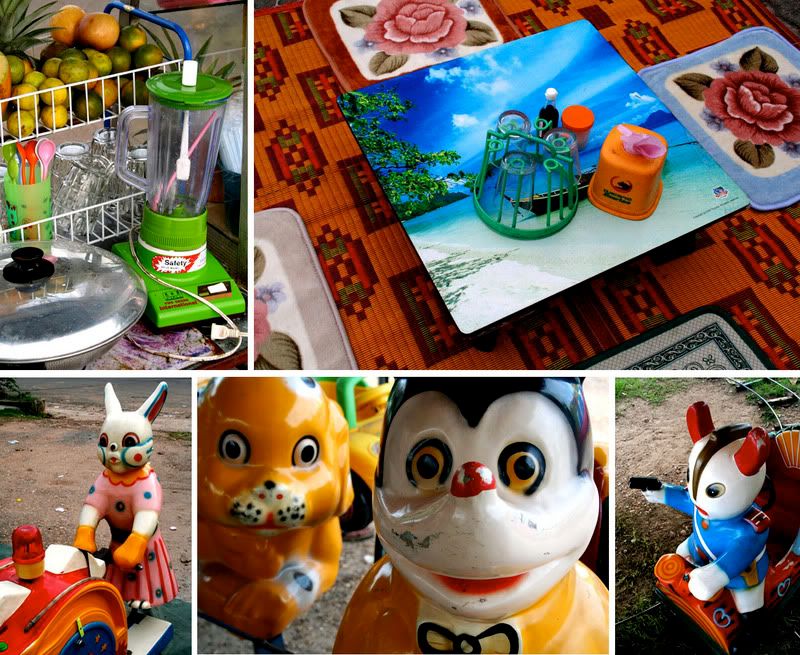
The major sign of modern life in Savannakhet was present in bright, lurid, plastic colors. Near the riverside noodle stalls and fruitshake stands we encountered a funfair in the process of being set up. They had already set up a small train, a merry go round, and a see-saw, and a massive bouncy playground was slowly plumping and growing. Though the entire fairground was populated by cartoon characters, none were recognizable, aside from a few minor look alikes; there was a rather jaundiced Mickey Mouse, and a nightmarish Donald Duck. Most of the other cartoon characters were simply creepy- most particularly the menacing Rabbit in a mini-skirt, who powered the seesaw with her brawny plastic arms while making a series of ambulance alarm noises. Some characters were simply incomprehensible, like the martian-rodent that wore a military uniform, rode a log covered in hearts, and pointed a gun; when a young girl rode the train sitting in front of him, it looked as though she were being held against her will.
Our bus ride to Pakxe was even worse than our ride to Savannakhet. Of six hours traveling, we spent at least 3 hours stopped, either loading on passengers and cargo, taking bathroom and smoking breaks, or sometimes stopping for no clear reason. One night in Pakxe was enough to take in the atmosphere, and we left early the next morning. From Pakxe we took a boat further south, to the quiet riverside town of Champasak. There wasn't much in Champasack- a row of houses and shops, a few dingy guesthouses, and a beautifully faded yellow villa. The quiet Mekong location was perfect for relaxing though, so Bordeaux and I spent time resting above the brown river, drinking banana and lao coffee shakes.
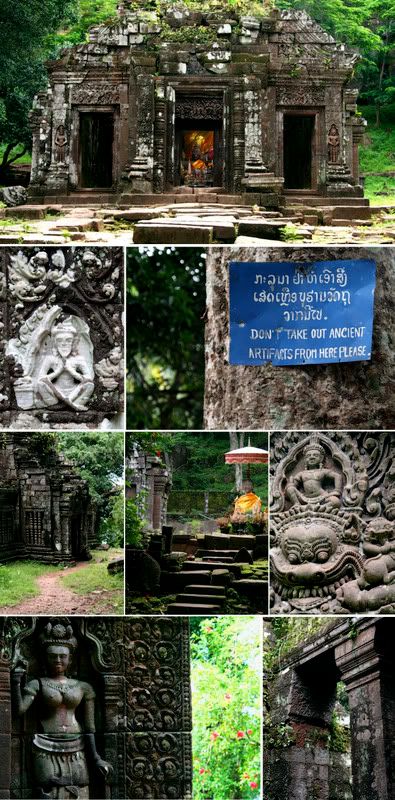
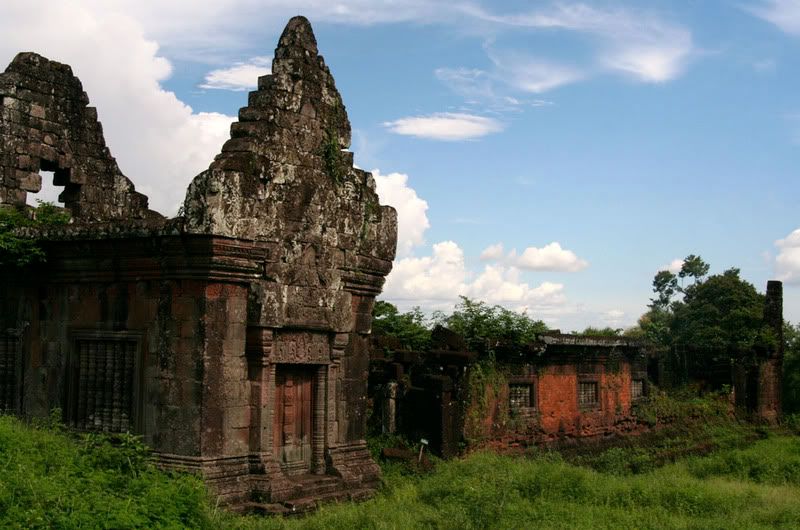
Southern Laos' major site is Wat Phou, an incredible hillside Khmer ruin. At the base of the hill were two large complexes known as the palaces. The artwork on the temples remaining was incredible, with fierce nagas and demons still guarding the corners of the ruins. Up a crumbling staircase, under a canopy of strangler figs, was the real wonder of Wat Phou. In a shady glade was a humble temple, a gold-sashed Buddha flashing from within its center. Carved guards and aspara dancers stood on the walls, curving bodies specked with moss. The wooden braces that held the temple up inside revealed the degree to which it was on the verge of crumbling, or being pulled down by vines and roots. The site was strange, dark, and perfectly mysterious. The quiet wonder of Wat Phou on its own makes the slow and uneasy trip through Southern Laos well worth it.

Thursday, July 19, 2007

Elephant Tower.

Compared to the relative ease with which Bordeaux and I got to Khao Yai in Thailand, getting to the national parks in Laos seemed like far more of a mission. Our guidebook- the rather dismal Rough Guide to Laos- gave essentially no information on getting into Phou Khao Kaouy, aside from advising that we take a tour. We almost dismissed the idea of going entirely, and began planning on heading directly to Southern Laos. Thankfully, while walking up Vientiane's Lane Xang, Bordeaux and I came across the Laos tourism office. There, they gave us information on the park, and recommended to us Ban Na village, where they offer treks, homestays, and a night in an elephant tower. The staff at the tourism office were even able to give us detailed information on getting there by public transport.
The trip to Ban Na by public transport was rather easy- we caught a bus to Ban Phabat, and then walked 2 km to the village, where we were greeted immediately by a guide. While we filled out registration forms and waited for the trek to start, we had time to take in the village. There were several women making baskets, men working in the fields, and children playing hopscotch. One small girl competed with me in making odd faces, and two boys tried to impress us by doing strange tricks on their bikes.
From the village it was a 4 km walk to the Elephant Tower. We first crossed through rice paddies and bamboo groves, crossing bridges built of thin planks and bamboo poles. Past the cultivated land we entered 'elephant territory', a scrubby green woodland. Though the guides didn't speak much English (and we didn't speak any Lao), they were friendly and extremely personable, and pointed out the strange insects, tiny frogs, and snakes that crossed our path.
The tower was fairly basic, but well set up. There was a stream below the tower, where we were meant to bathe. The water was cool, fresh and clear, with a shallow rocky bed- perfect for cooling off, until Bordeaux spotted one of the seven-inch leeches wriggling toward us. For dinner our guides fixed a large tasty meal of noodles and sticky rice. After eating, they went through a book of animals with us, asking the English names for some of the birds and mammals in the area, teaching us the Lao names in return. At bedtime they set up mats, sleeping bags, and mosquito netting, and switched off the lanterns. A storm was growing in the distance, and lightning silently flashed over the forest. We fell asleep to the sound of rain on the metal roof.
So, we saw neither elephants, or any large animals. It was certainly disappointing not to see any of the elephants, but even so, the experience of the tower was well worth it. The forest around the tower was beautiful- huge trees and bamboo thickets. Additionally, the Elephant Tower has been set up as a source of income for the village, and many people in town are involved. By visiting, it can promote the development of conscientious tourism in Laos, allow villagers to develop income from the wildlife that destroys their crops, and hopefully encourage more tourism opportunities in Laos' wild places. But above all else, the experience of being in the forest canopy was incredible, particularly at night, when we were surrounded by the humming of insects, the chirping of bats, and the soft steady rhythm of the rainstorm. It gave a unique chance to see Lao village life, and to experience the nighttime rhythm of the jungle.

Wednesday, July 18, 2007

Vientiane Style.

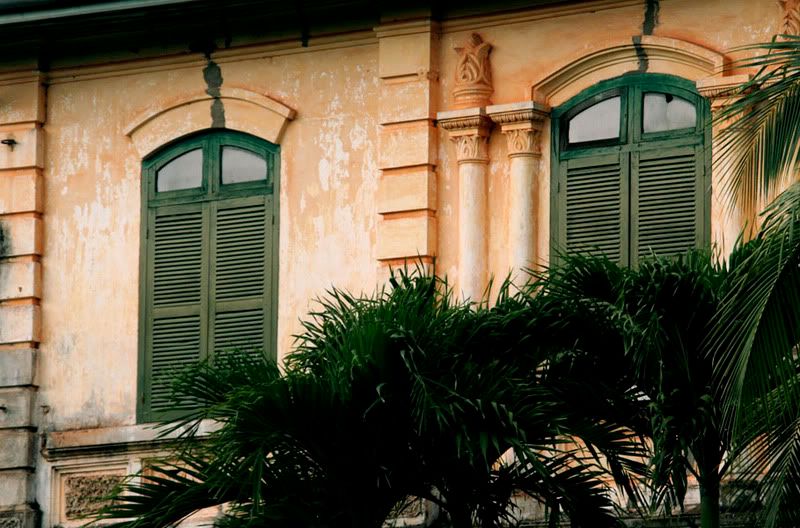
It's not hard to enjoy the pleasures of Louang Phabang: the peaceful riverside atmosphere, the tastefully restored French architecture, and the Royalist history combine to make a refined yet relaxed town. Most travelers coming from the north thus find it easy to dismiss Vientiane, the capital of Laos. It's too concrete, not charming enough. However, Vientiane has its own pace and its own style.

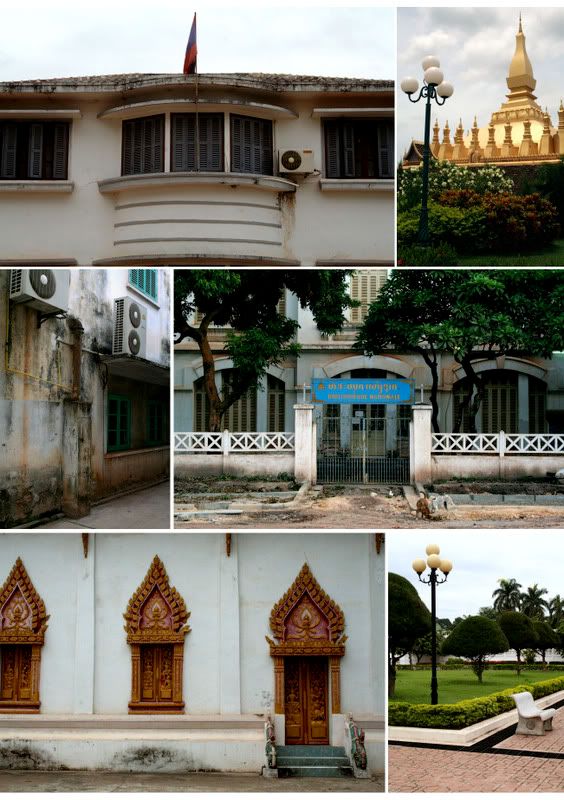
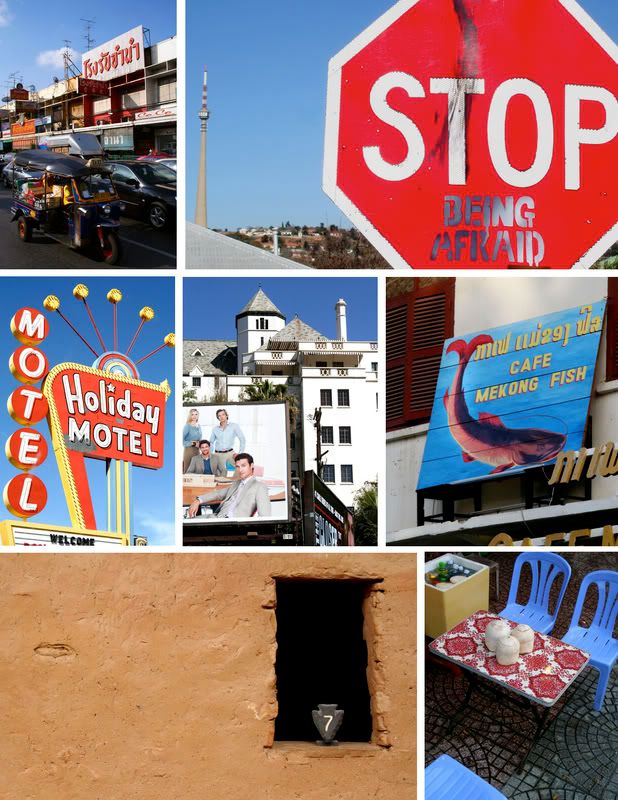
Like most good capitals, Vientiane has a taste for the monumental. Lane Xang avenue, designed to evoke the boulevards of Paris, runs through a neighborhood of office-parks and embassies, ending at the Patouxi arch. Built to resemble a Hindu arc de triomphe, the monument suffered from concrete shortages and socialist redecoration, and is now, by declaration of its own informational plaque, "a concrete monster." Further east from Patouxi is the That Louang, symbol of Laos. It's emblematic gold stupa, which is stunning enough on its own, is set in an oddly layed out park, accented by carved topiaries and ornate lampposts. Far more pleasant are the simple offices and shops of the city, many of which were designed in the 1960s in a French modernist style, and have been left to age gracefully. Where Louang Phabang feels like a colonial outpost, restored to recapture the 1930s, Vientiane feels like a sleepy but cosmopolitan capital, stuck languidly in the 1960s.
For travelers and expats, Vientiane's subtle cosmopolitanism also provides access to a number of Western luxuries unavailable elsewhere in Laos. A number of minimarts- thrilling, for the travel worn- sell bottles of wines, European cosmetics, and luxury chocolates. Vientiane also offers a wide range of options for eating out- from the cheap Lao noodleshops that crowd the promenade overlooking the Mekong, to the hip cafes and stuffy french restaurants centered around the city center. The best coffeeshop in town is JoMa, which also has a branch in Louang Phabang. Aside from serving the best lattes in Laos, JoMa has a good sandwich menu, an extensive array of baked goods, and an air-conditioned interior with an urban atmosphere. It provides the perfect atmosphere to relax with an out-of-date Vientiane Times, and soak up the charm of this backwater capital.

Monday, July 16, 2007

Kayaking to Vientiane.

One day in Vang Vieng was enough for me. The fog shrouded limestone karsts that surrounded the town, looking like mountains from a Chinese watercolor, were certainly incredible. And the shallow brown river that curved below them, perfect for a day of inner-tubing, created a relaxing atmosphere. But Vang Vieng itself was a bit dire. Walking down the dusty main street at night, we were often assaulted by the canned laughter of three or more different restaurants playing Friends dvds, trying to lure in customers.

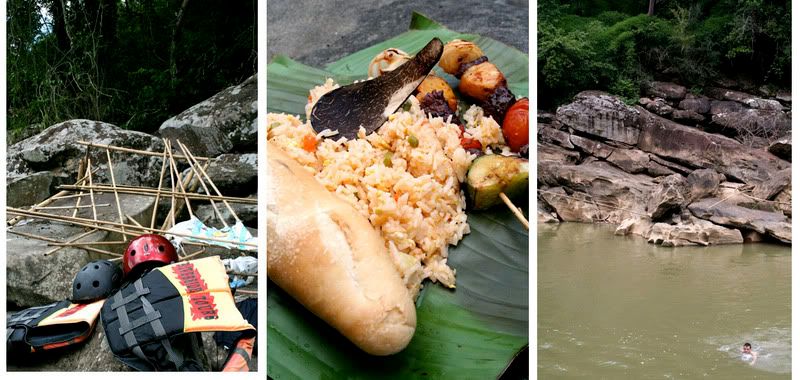
Rather than taking the bus out of Vang Vieng, Bordeaux and I decided to take a kayaking trip. We wouldn't be able to kayak the whole way down to Vientiane, but a number of companies offered a day trip, featuring several hours kayaking, followed by a bus transfer to the capital. After comparing a few of the tour companies in town (which all have exactly the same information and, within two or three dollars, the same prices) we signed up with Riverside Tours.
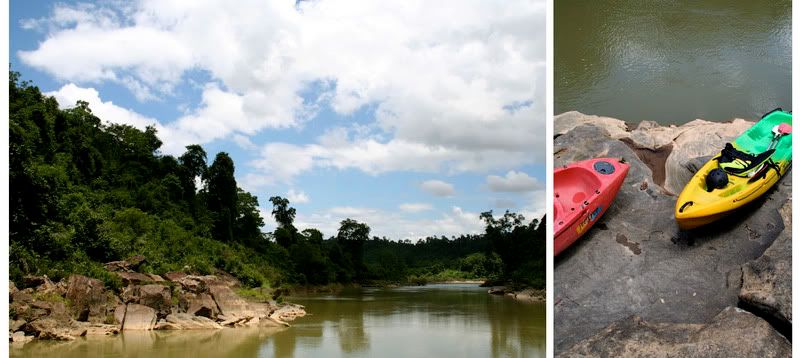
After a winding, speeding journey down the curvy mountain roads out of Vang Vieng, we were dropped off in a small town on the Nam Lik river. Altogether there were only nine of us on the tour, led by three guides. After a short introduction, we got into our helmets and life-vests and pushed off into the water. Fairly early into the trip we encountered some small rapids- the splash of waves helped to cool off the already baking sun. Further on we encountered grade 3 rapids, with larger waves and whirpools that first pulled us in and then quickly shot us out. Past the jagged rocks and white water the river calmed, and we were able to more fully enjoy the forest around us. It was amazing how pristine the area looked- aside from the occasional bamboo fishing pole left at the riverside, we felt completely isolated in the forest.

After about an hour of kayaking, we stopped to rest and have lunch. Two of the guides cooked while the rest of us swam in the river. The temperature of the river was perfect, a nice relief from the warm air and beating sun. Lunch was served on slices of banana leaves. For having carried all of the food with them in their kayak, the guides produced an impressive lunch- grilled chicken and beef skewers with vegetables, fried rice, and a baguette, which is practically obligatory in Laos. A small rainstorm settled on us as we finished lunch, soaking us just after we'd been able to dry off. When the blue finally appeared over us again, we quickly got back into our kayaks and started off on our last leg of the trip.
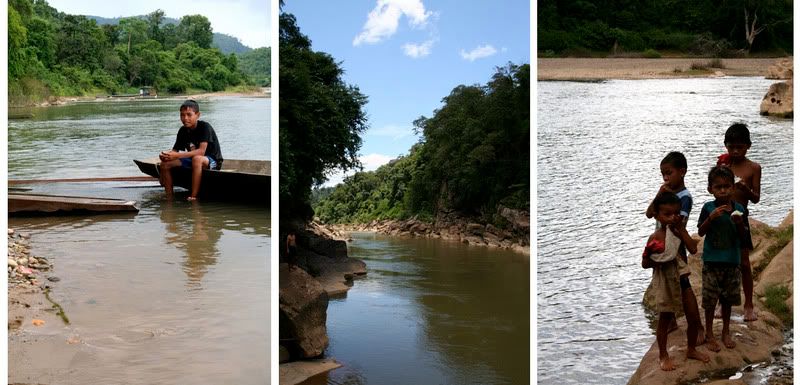
The final hour of kayaking was on the open, calm waters of the river as it widened out. Without any rapids or rocks, we could study the jungle that surrounded us. There were truly massive trees, with thick curtains of leafy green vines hanging from their limbs, and muscular roots gripping onto the rocky shore. Dragonflies hovered over the surface of the water, before settling onto the abandoned bamboo fishing rods that littered the shore. We ended our trip at a rocky beach, where a group of kids were busy sharing an orange.

Saturday, July 14, 2007

Durian.


Few fruits can be justifiably described as notorious, but the durian is highly deserving of that adjective. It's known widely for its noxious scent, which is best described through an incongruous hyphenate- for me, the durian has a vanilla frosting-burning rubber smell. I'd seen and smelled them often in markets throughout Thailand, being first drowned in their scent before seeing their green spiky shells- but had never had the chance to try one.

But, the more I encountered the pungent smell, the more curious I became. Finally, perhaps inspired by a report on another stinky Asian delicacy at Iamaviking, I resolved to try the durian. I ordered it a riverside cafe in Louang Phabang, as a dessert accompanied by sticky rice. It arrived on my table as a highly fragrant ivory colored pulp, unevenly spread over the mound of sticky rice, resembling the body of a whale decaying on a beach. I tried my first bite, scooping some of the durian away from the rice to taste it on its own. I found that unlike what I had been told, the flavor is not in fact much more subtle than the scent. As the flavor developed in my mouth, I was reminded of the scene in Alice in Wonderland in which Alice describes the successive flavors tasted in the "drink me potion", only to a more extreme form: "nail polish remover.... butterscotch pudding... rotting mango... melk tart... car exhaust fumes!" Bordeaux took two bites and refused to eat anymore, stating with disgust that he actually preferred the smell to the taste. I tried desperately to be open, searching out the more pleasant intricacies of the flavor. After eating several spoonfuls of it, however, I was forced to admit to myself that the overwhelming flavor was rather foul, and the noxious fumes were starting to make my stomach hurt. The custard like texture, which in most guide books is described as one of the fruit's redeeming qualities, actually added to the sense of putrification and rot that the scent and flavor gave off. So, I sadly have to add myself to the list of Westerners for whom durian is an unacquired taste. I can, however, appreciate the taste complexities of the fruit, and will look at durian eaters with an even greater amount of respect.

Friday, July 13, 2007

Three Elephants cooking school.

While Bordeaux and I had waited until nearly the end of our time in Thailand to take a Thai cooking course, we decided to take our Lao cooking course during our first week in Laos. A number of restaurants around Luang Phabang offer cooking courses, which seem to vary widely in number of dishes prepared. Bordeaux and I quickly chose the Three Elephants cooking school, taught from a large kitchen down an alley between the Three Elephants Cafe and the Nam Khan river. The course included demonstrations on 7 dishes, with the opportunity to choose five to prepare. This would give us some control over our what we wanted to try, and also introduced us to a wider range of foods.
In the morning we met at the kitchen, we were introduced to our teachers, Neng and Leng. Our cooking class began with the ubiquitous tour of the market. We first cut through the dry stalls, which sold bright plastic toys, cheap cookware, and a strange selection of men's underwear. Once in the wet market, Leng went to shop for produce, while Neng gave a dramatic presentation on various Lao vegetables. We followed Neng around between stalls, looking at sticky rice, buffalo skin, and chili powder. The meat stalls seemed to show a much greater reliance on river life than any markets that we visited in Thailand; tables were covered in glazy eyed scaly fish and wide mouthed catfish, while coal barbecues heated whole fish-on-a-stick.
Back in the kitchen, the class was markedly different than our course in Thailand. Rather than each having a station of our own, we were assigned two to a wok. This worked well for me, as I do much better following Bordeaux's orders than cooking on my own. Additionally, the teaching style was much different. Cooking centered around demonstrations, in which either Neng or Leng would prepare several dishes in succession. The idea was that once we had finished we would gather our own vegetables, measure and chop everything ourselves, and cook the meals using our cookbooks as a guide. This wasn't always easy, as the cookbooks occasionally left out steps from the demonstration, and Neng often spoke so quietly that it was difficult to hear him. This style required us to be much more self sufficient than Thai Farm, where many of our ingredients were measured out for us, and where cooking was done in steps announced to entire class as we cooked. The benefit is that, hopefully, we'll be more able to cook on our own outside of the class.

In the morning we prepared two dishes: Luang Prabang Salad, greens, hard-boiled eggs and tomatoes covered with a mayonnaise we prepared ourselves, perhaps a leftover from the influence of the french; and feu khua, a chicken and rice noodle dish in which the noodles are fried almost into a patty, then scrambled with an egg. After a long lunch we watched a long demonstration, in which we were taught to make chicken larp, green papaya salad, and oh paedek. Bordeaux and I had already made papaya salad in Thailand, so we chose the other two. Chicken larp is a cold salad of chicken and banana-flower, and oh paedek is a soupy dish of ground pork and egg flavored with galangal, a mild ginger root. They then demonstrated two more dishes, fried eggplant with pork, and geng phet, which is a little like a mild Lao curry. We chose the eggplant, since we'd made curry, and Bordeaux and I both love eggplant. Before we moved outside for dinner, Neng showed us how to make Tamnak Lao Jeowbong, a Luang Phabang chili paste that's eaten as a garnish. Lao dishes don't favor the spiciness that the Thai enjoy, however, so for the two tablespoons of chili there were also three tablespoons of sugar. We ate our last three dishes as an early dinner out on the patio. The chicken larp and the pork with eggplant were my favorite dishes; the larp reminded me of a chicken salad I had in Bangkok that could be wrapped in kale leaves and eaten with lime, and the eggplant and pork took on a nice flavor of oyster sauce.
Though we'd been eating Lao food as often as possible since arriving, this class offered a good chance to really see the unique qualities of Lao food. Lao dishes are generally fairly mild, so most flavors are balanced out with contrasting flavors, creating subtle suggestions of spicy, sweet and sour in each dish. I love spicy food, so to be honest I may still have a preference for Thai cooking, but at least this class gave me more of an appreciation for the milder intricacies of Lao cooking.